

Historique Clubmans at Prescott
Back to the Beginnings, the Mallock U2
In The Name of The Wee Man - Kenny Allen
As British as Tea and Scones - Wiscombe Park
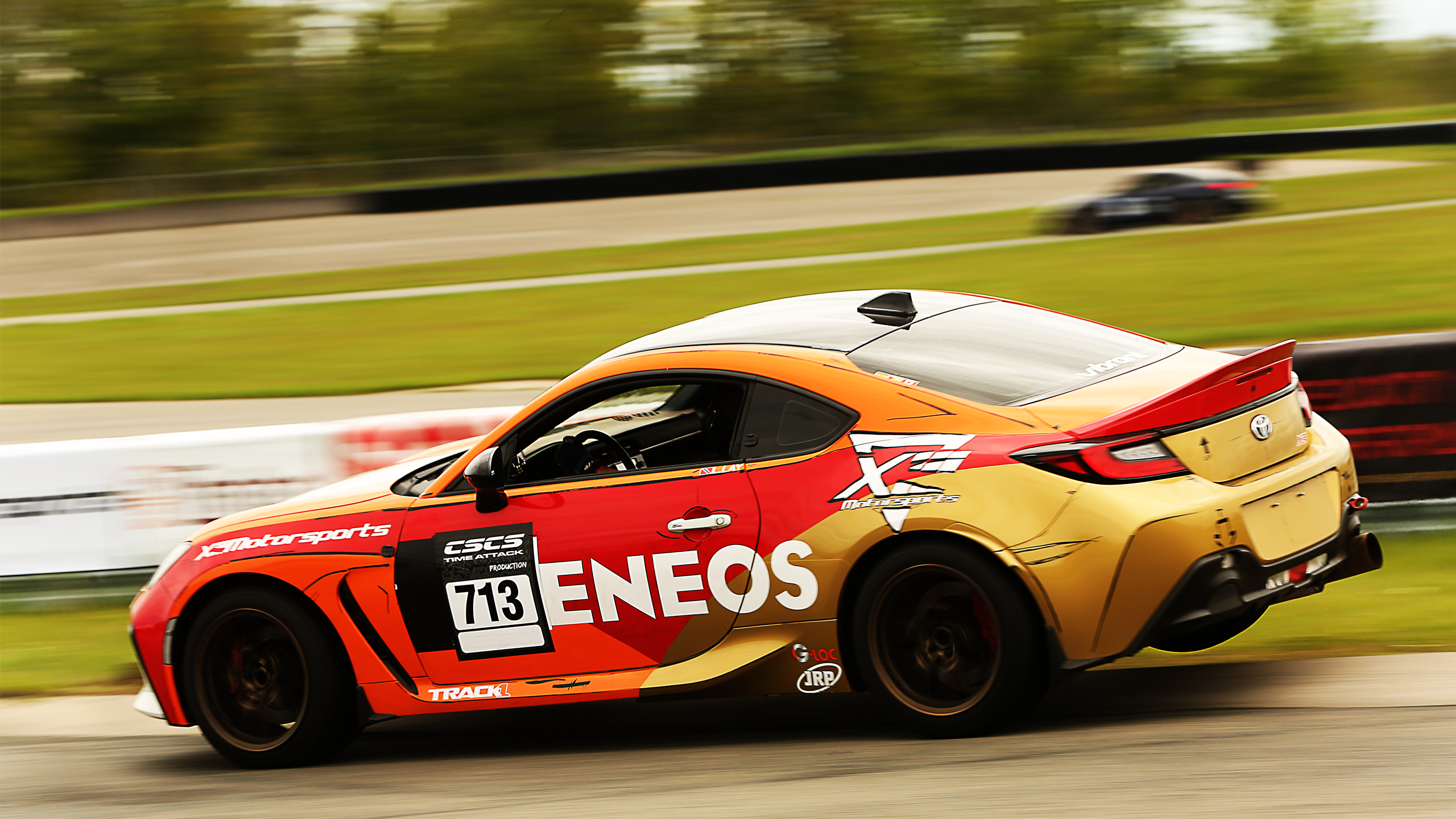
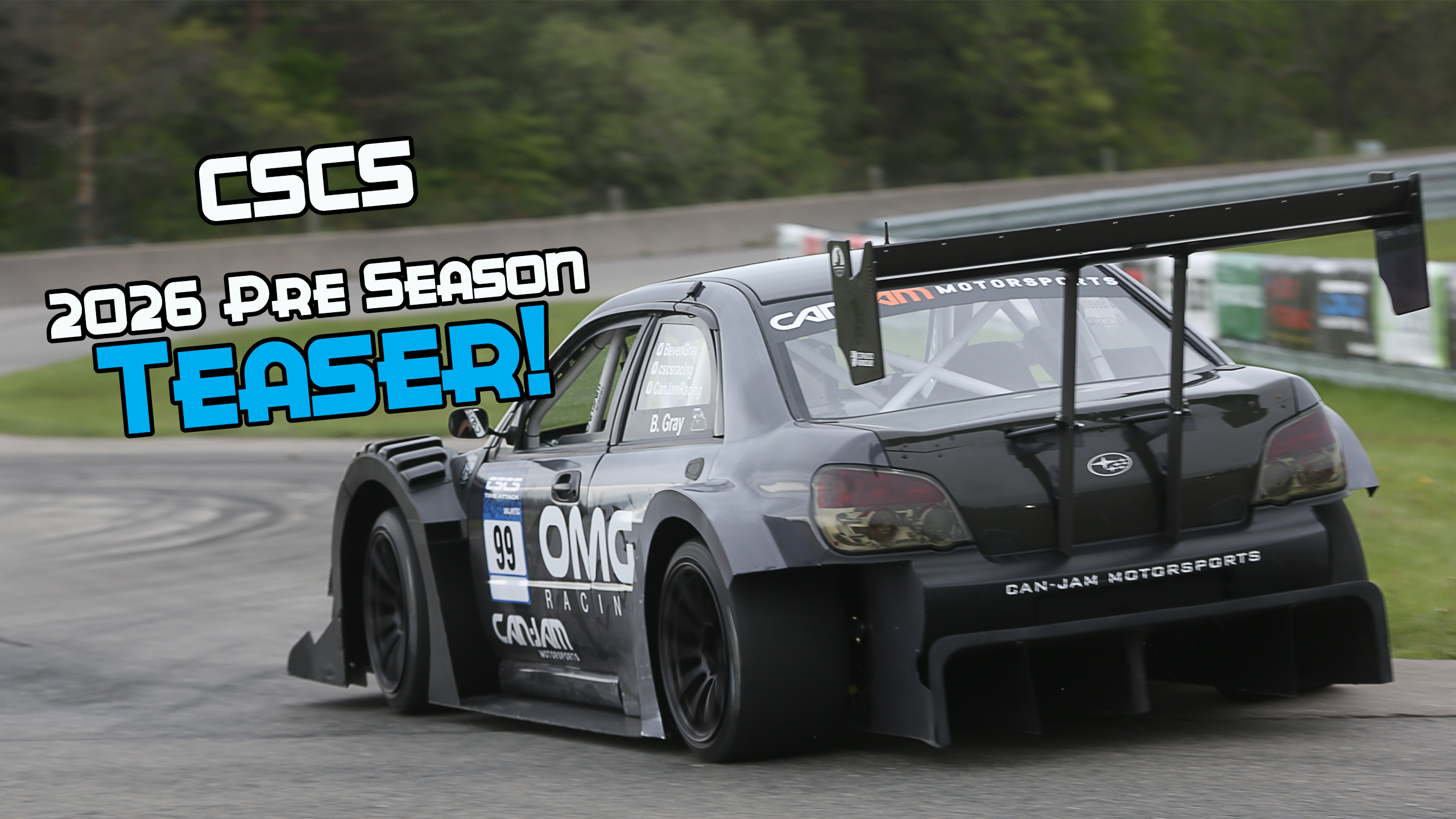
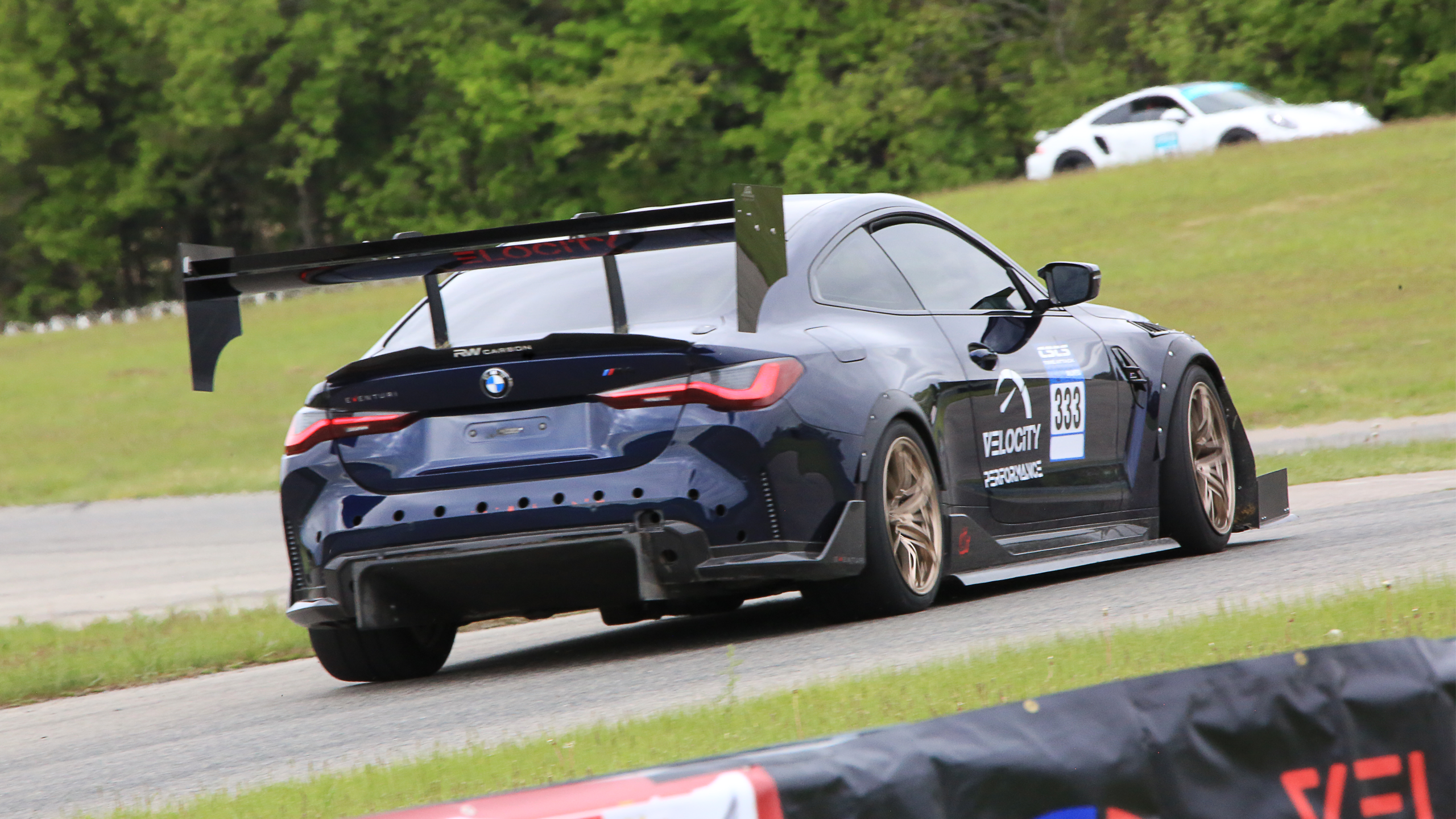
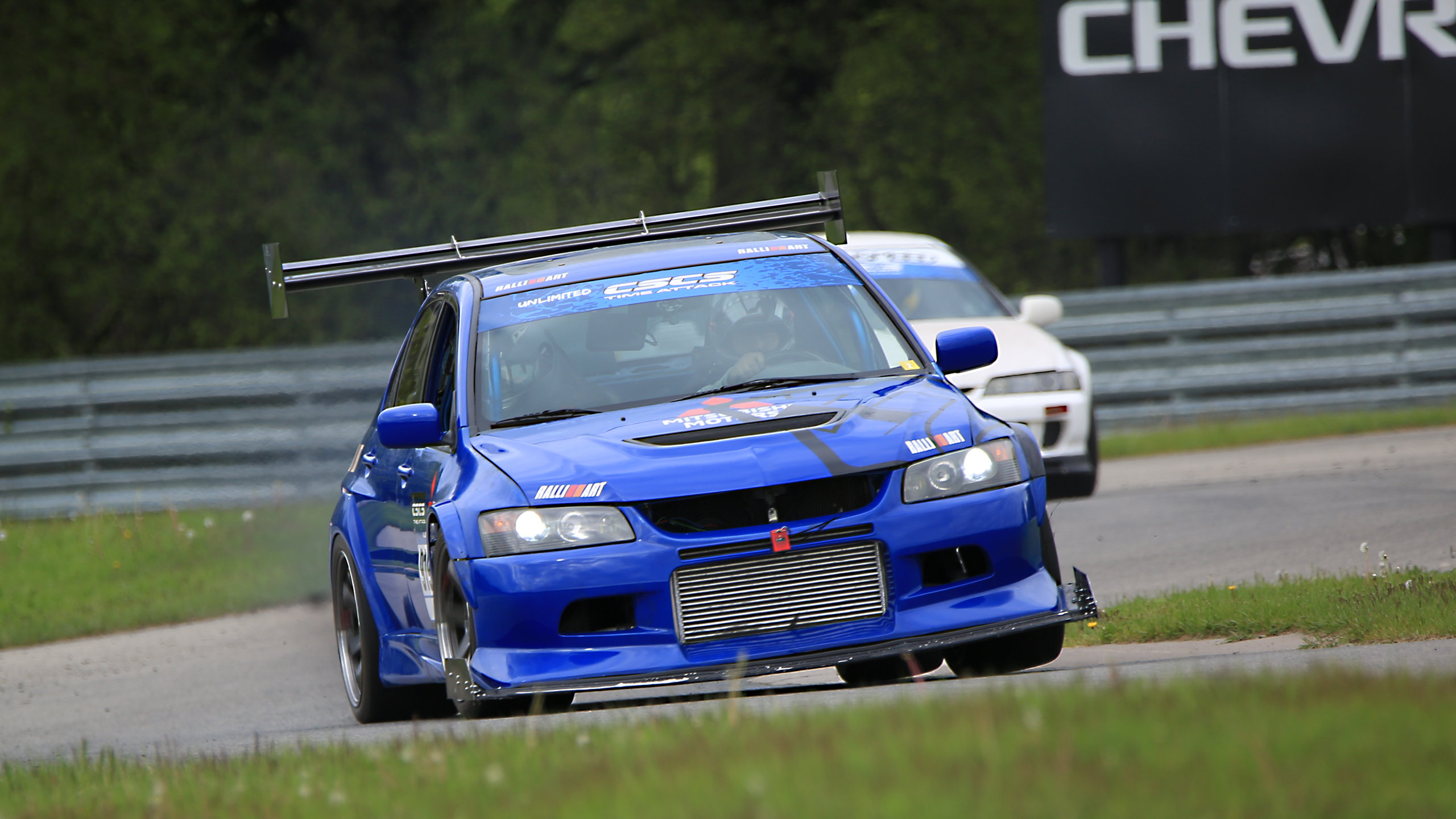
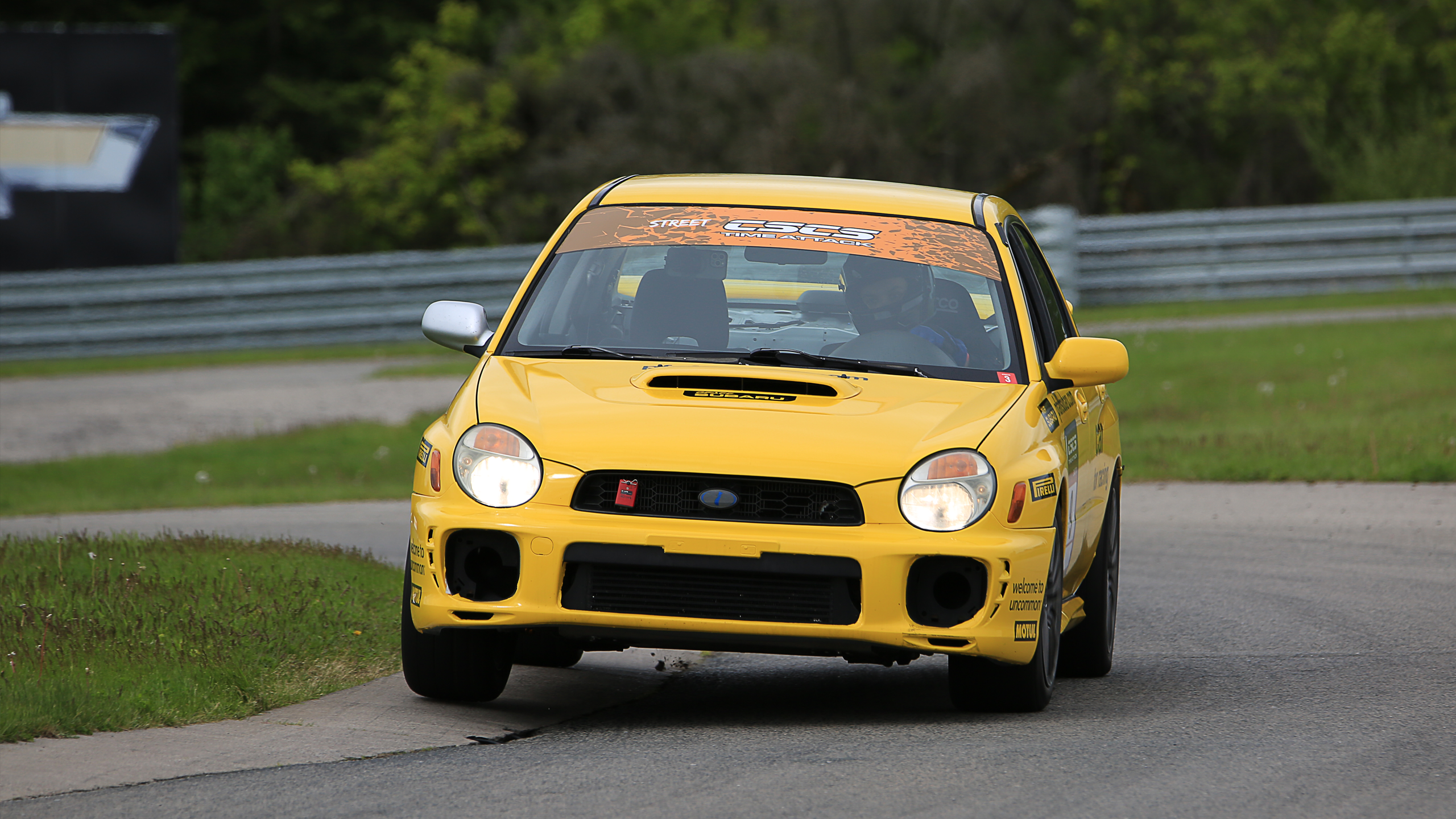
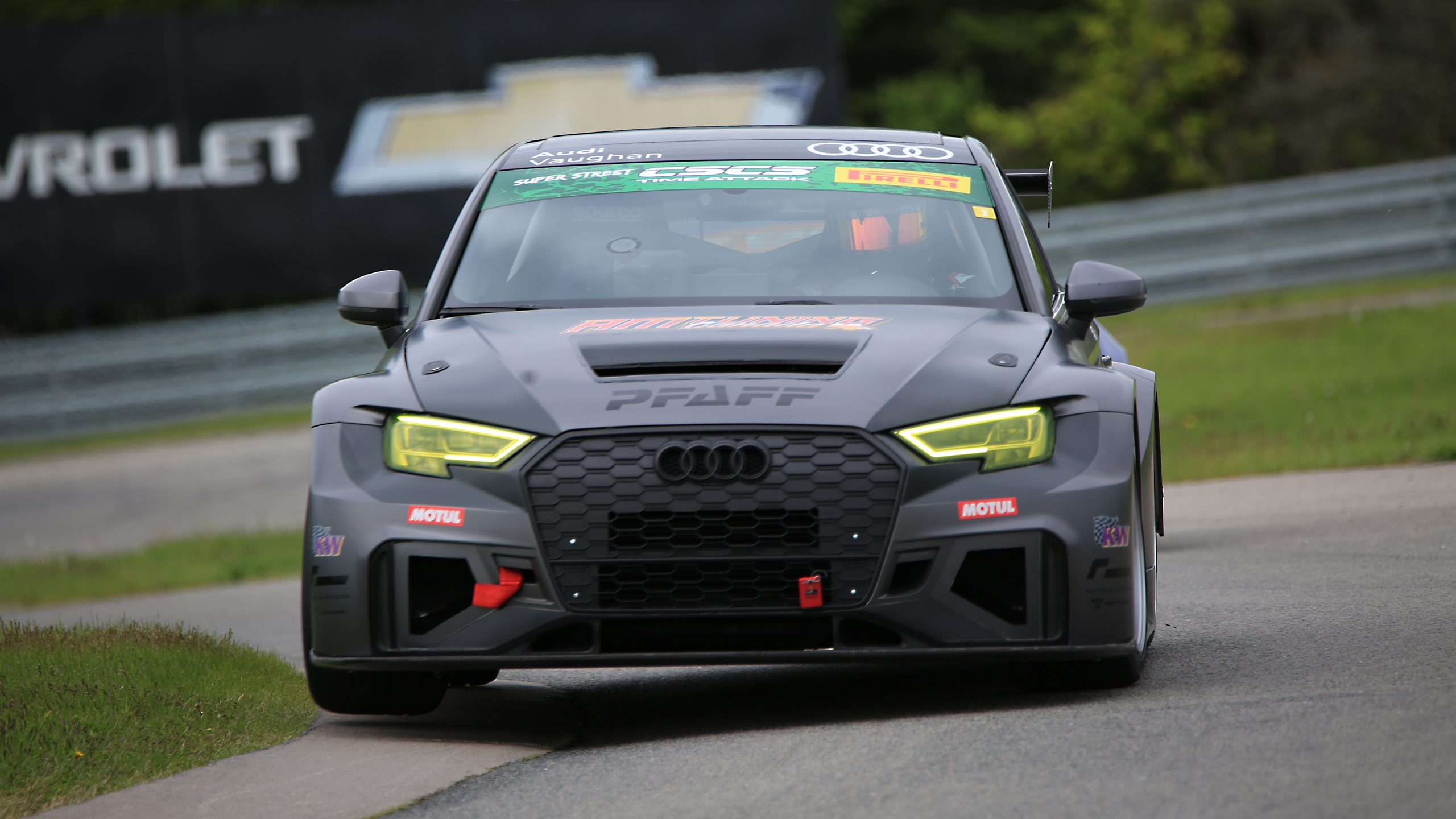
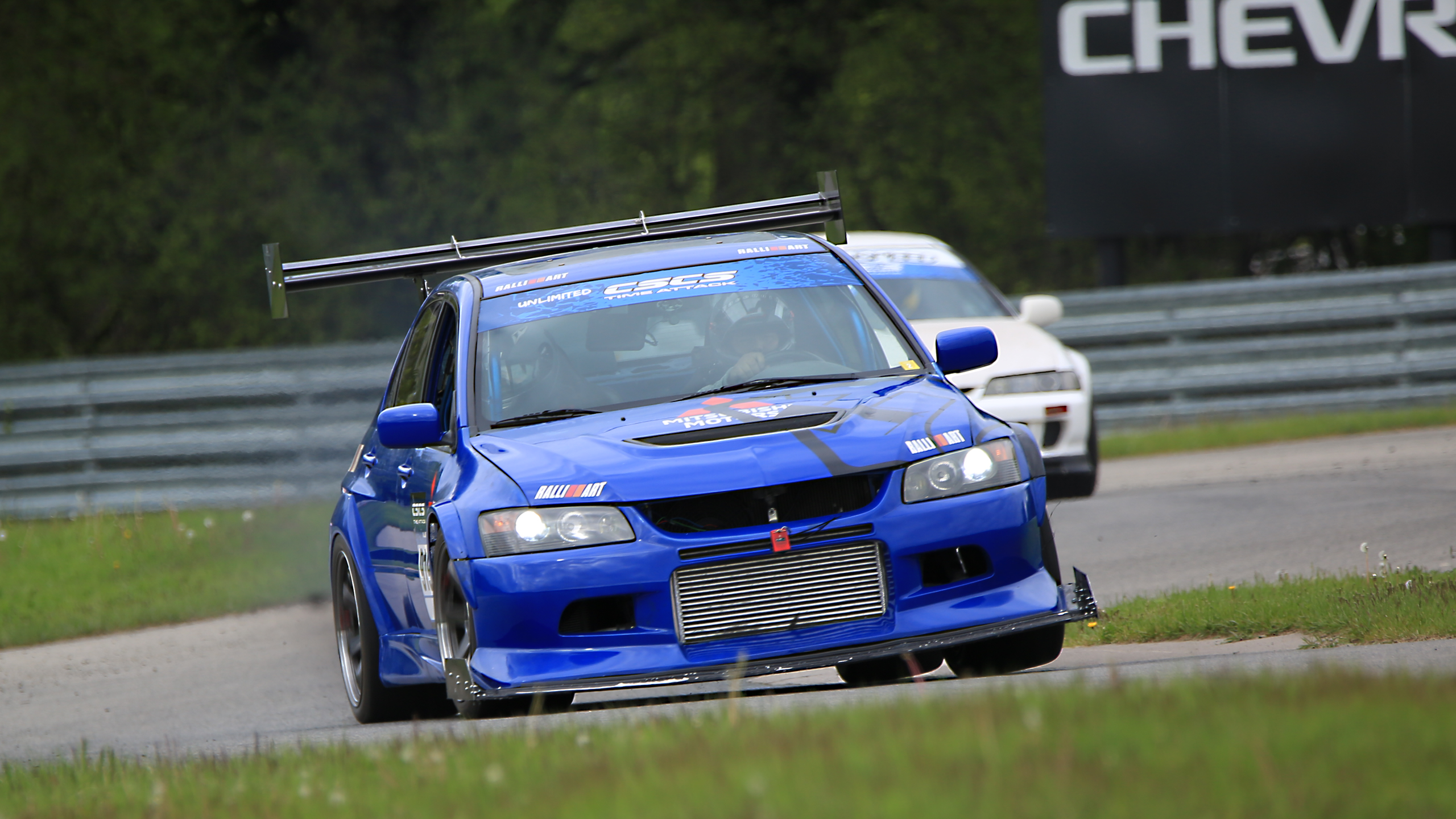
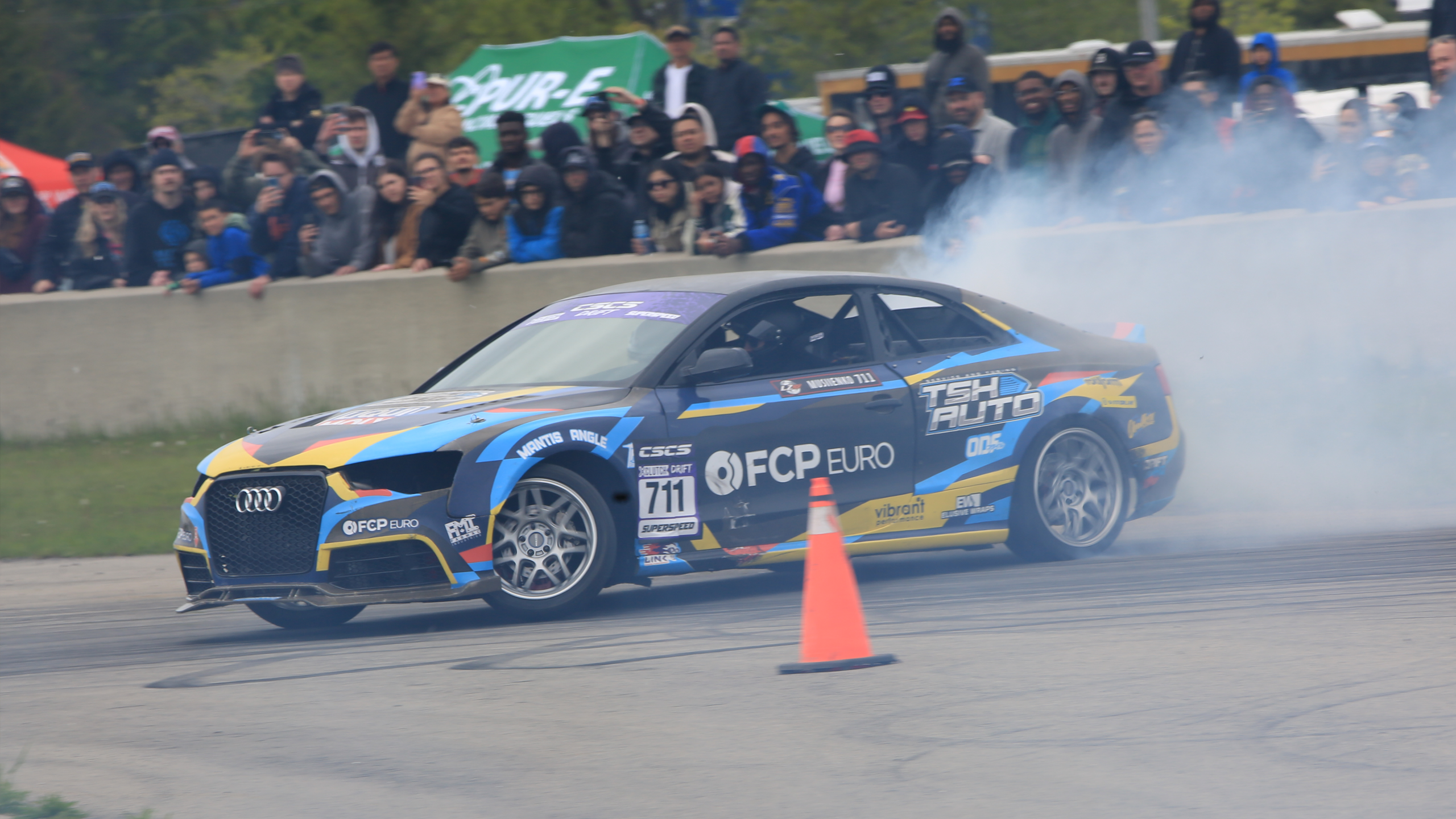
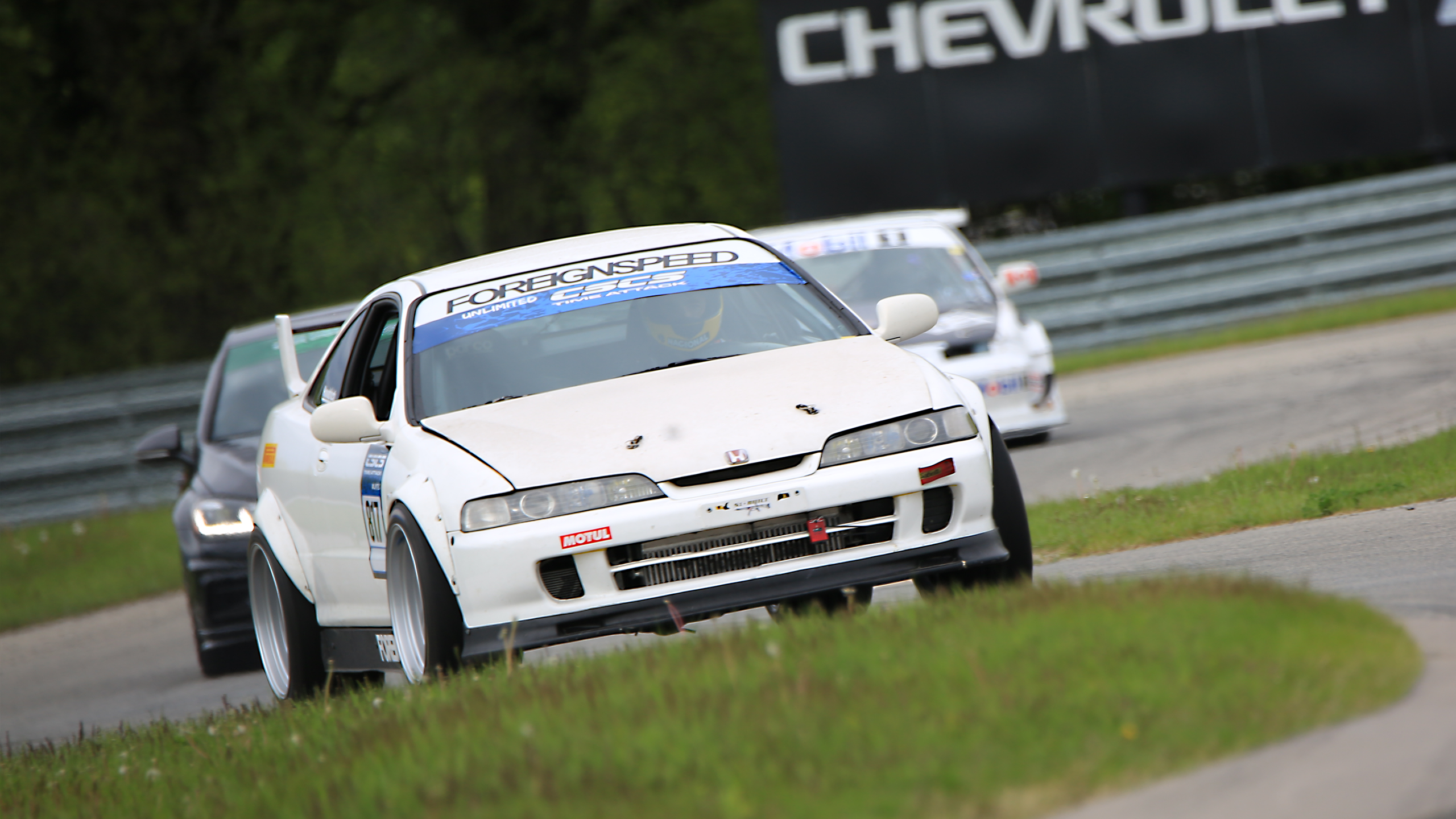
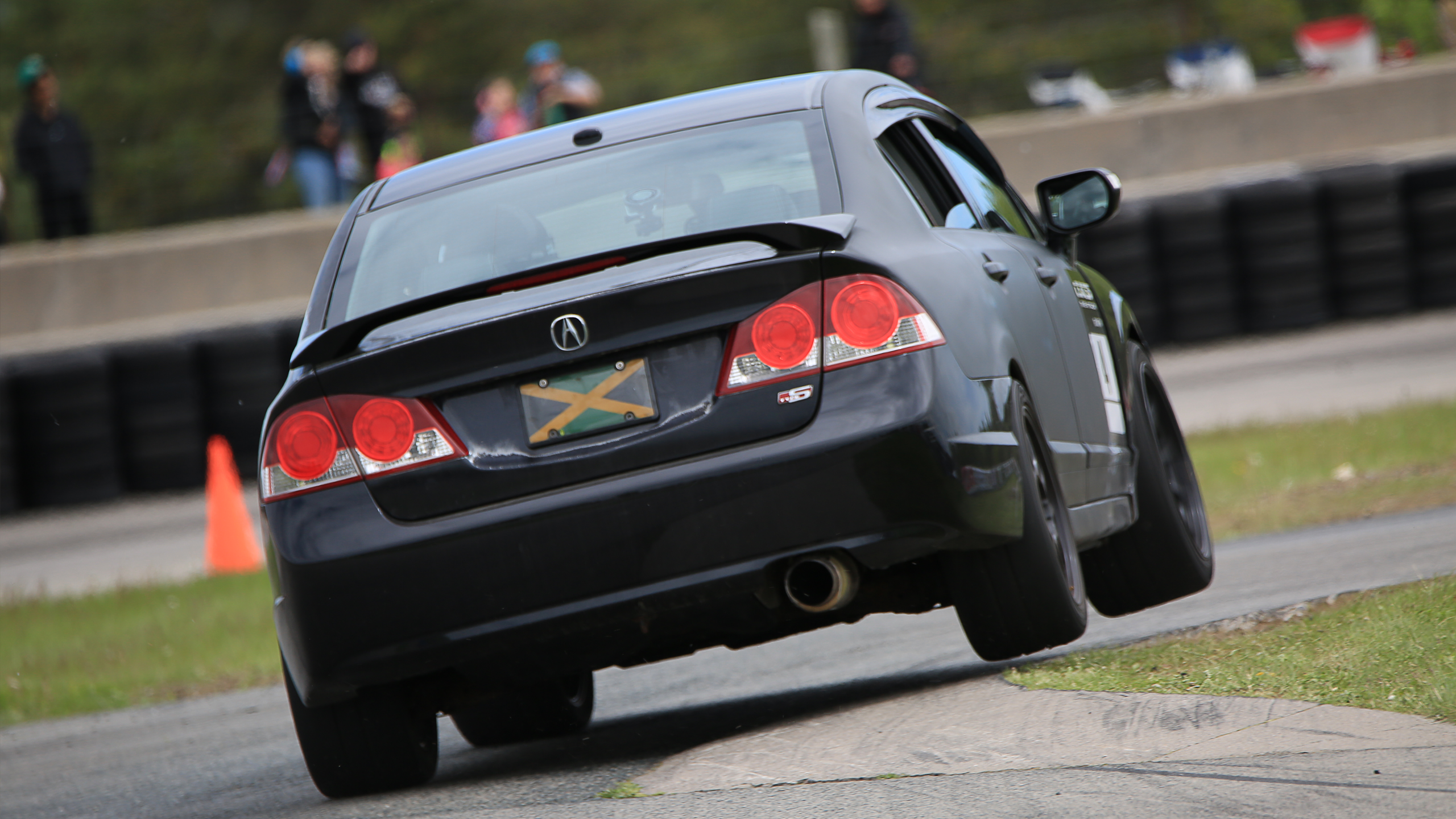
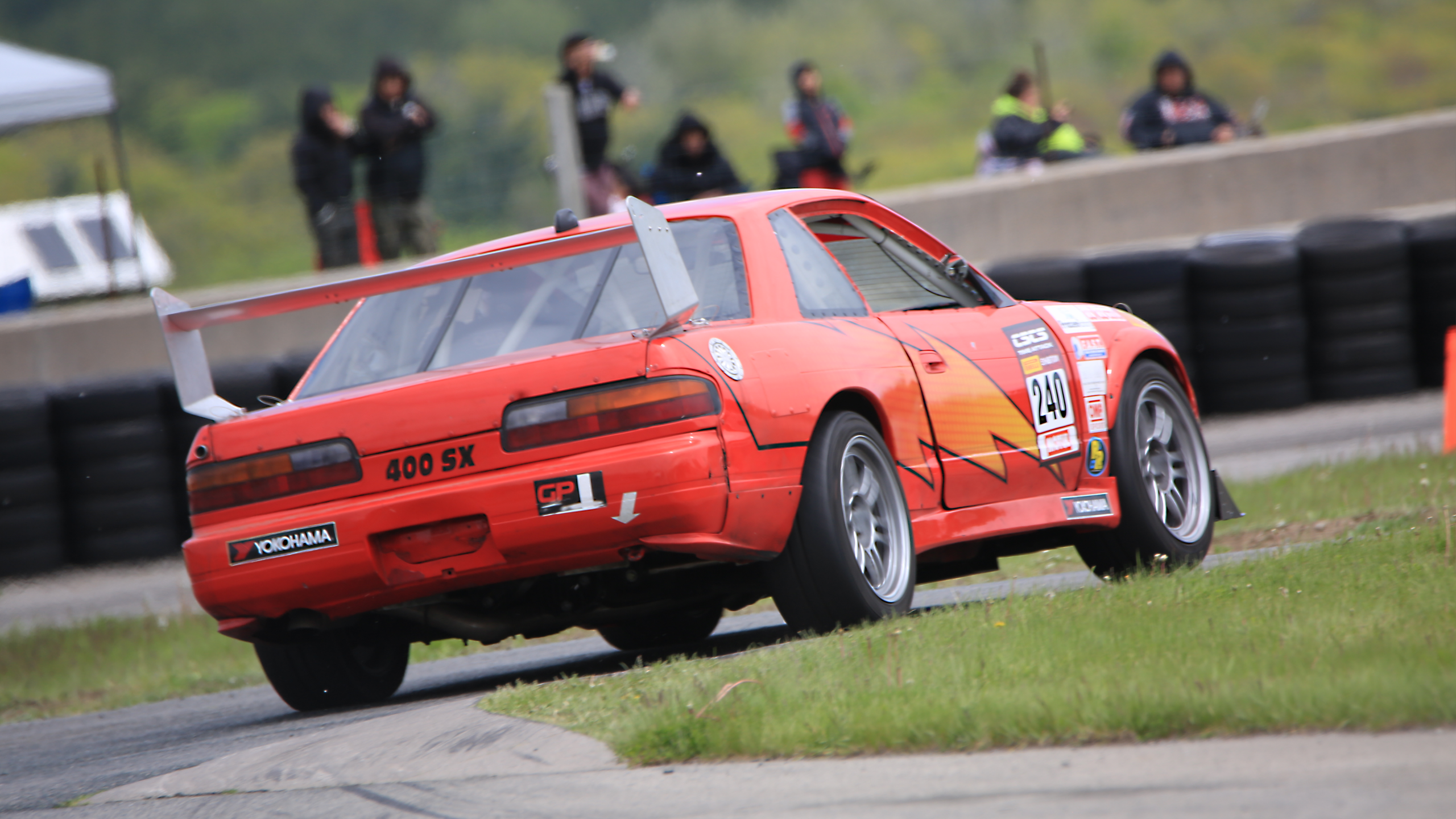
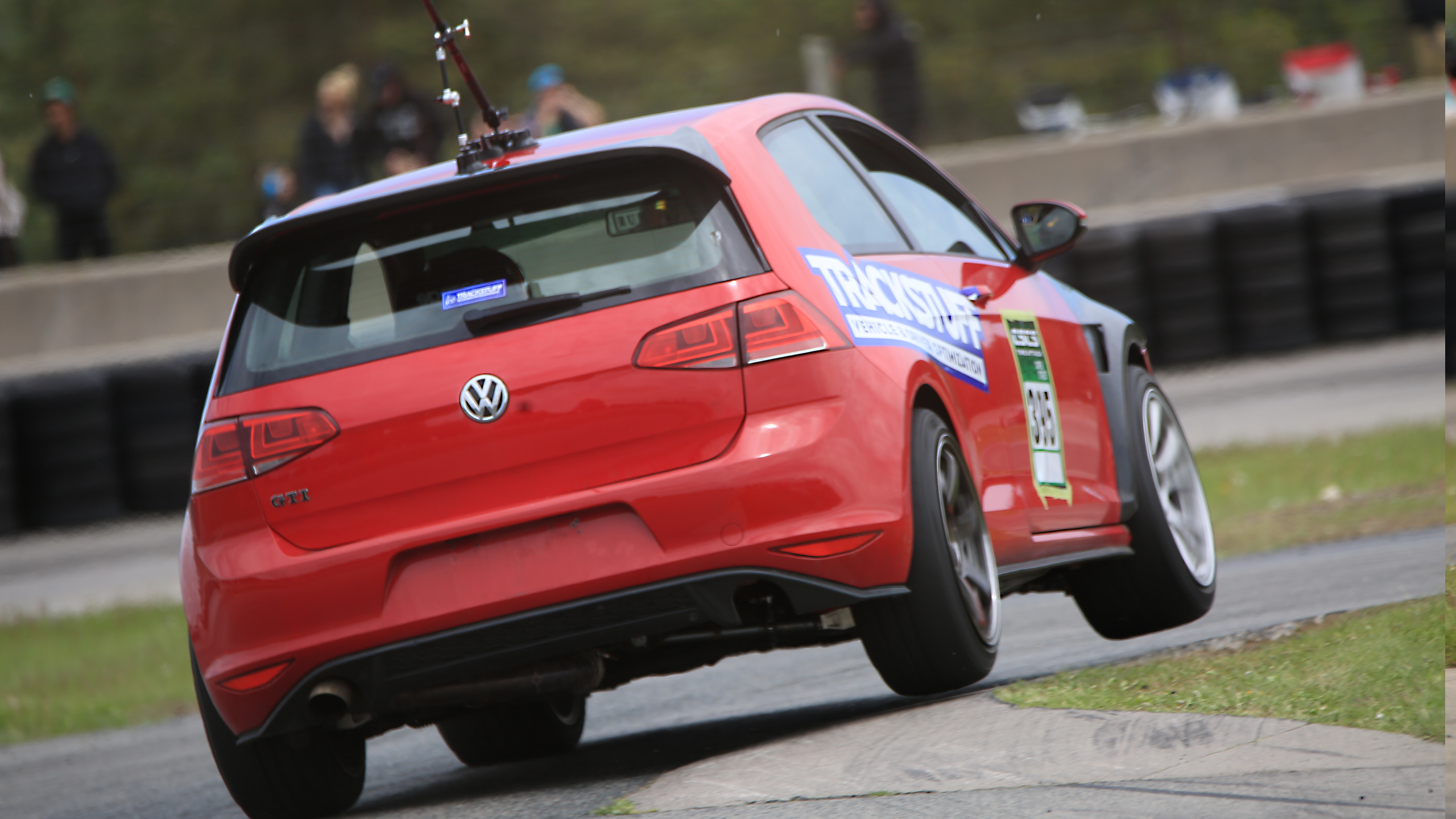
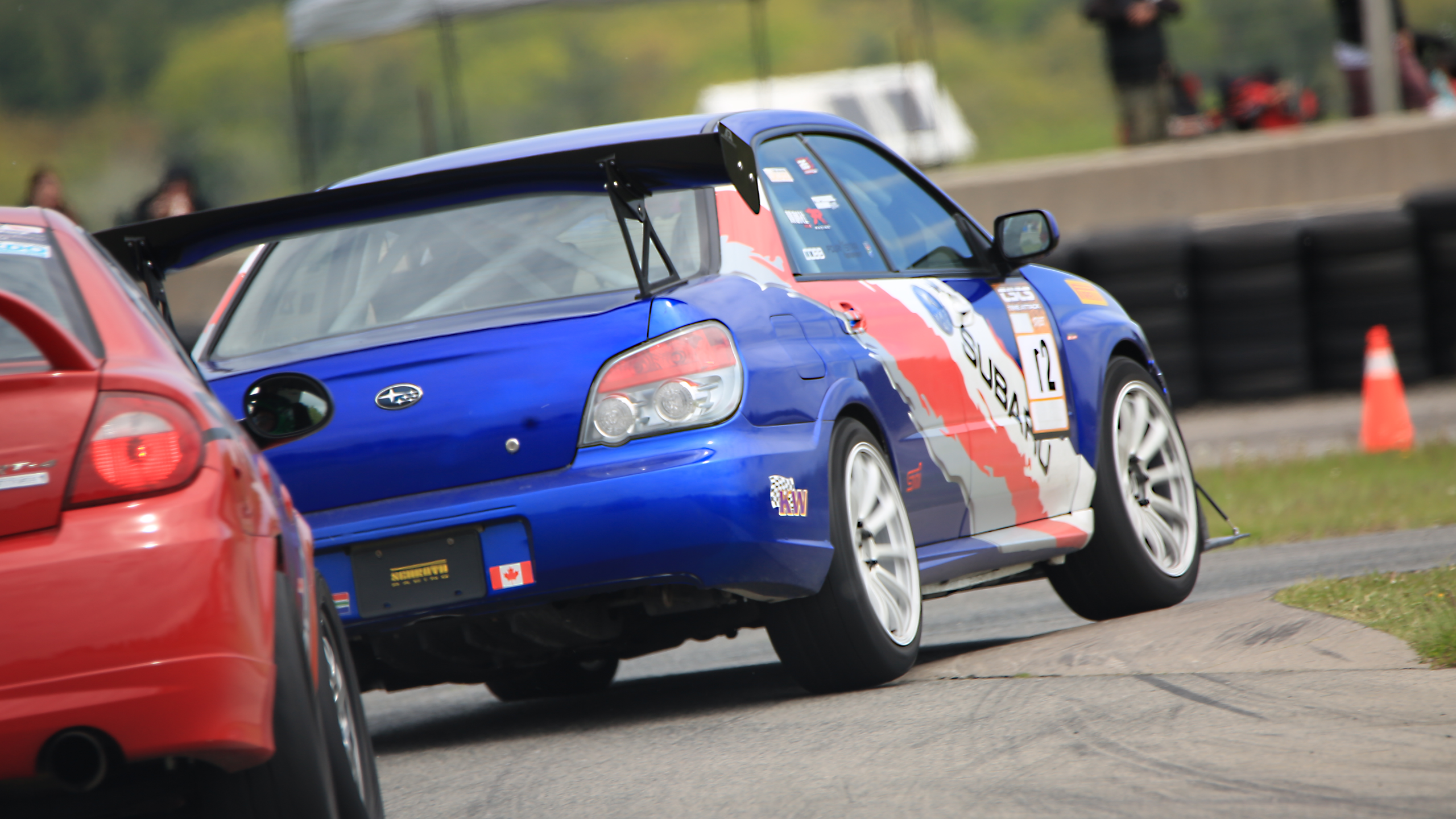
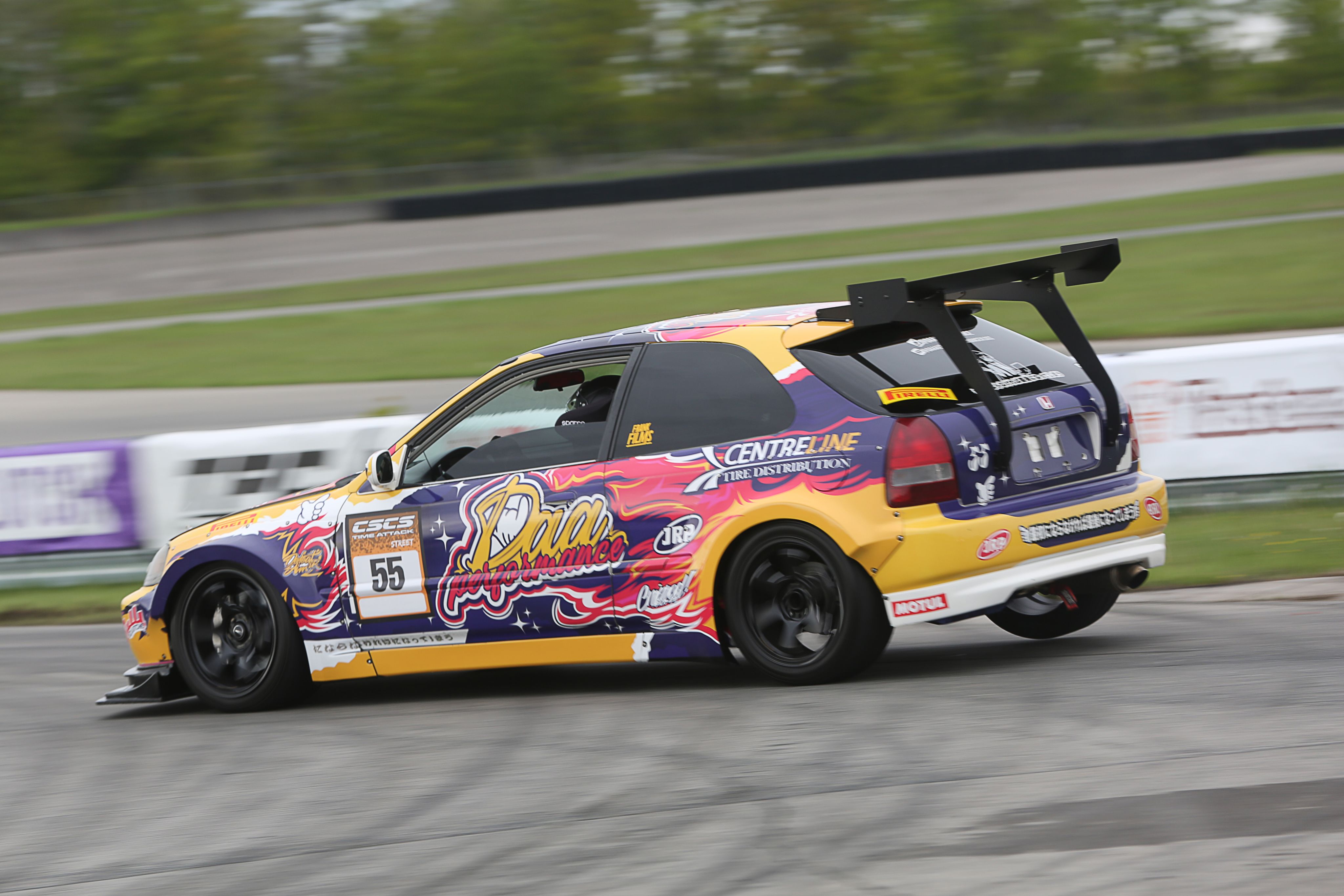
Canadian Sport Compact Series - Season Opener 2025

Hello everyone, we are evaluating this new app called Shorthand. It seems that many digital magazines are going this route to give their readers more of a rich digital experience. At this point we are just evaluating it and would love to hear what you think about it compared to our Flipbooks that are hosted on Issuu.com. After evaluating all feedback we will decide which route we will take.
You can send us your thoughts by clicking on the Feedback button at the very bottom of this publication.
Thanks for your input and reading MotorWerks and Miniology Magazines
Ian Rae, Editor-at-Large



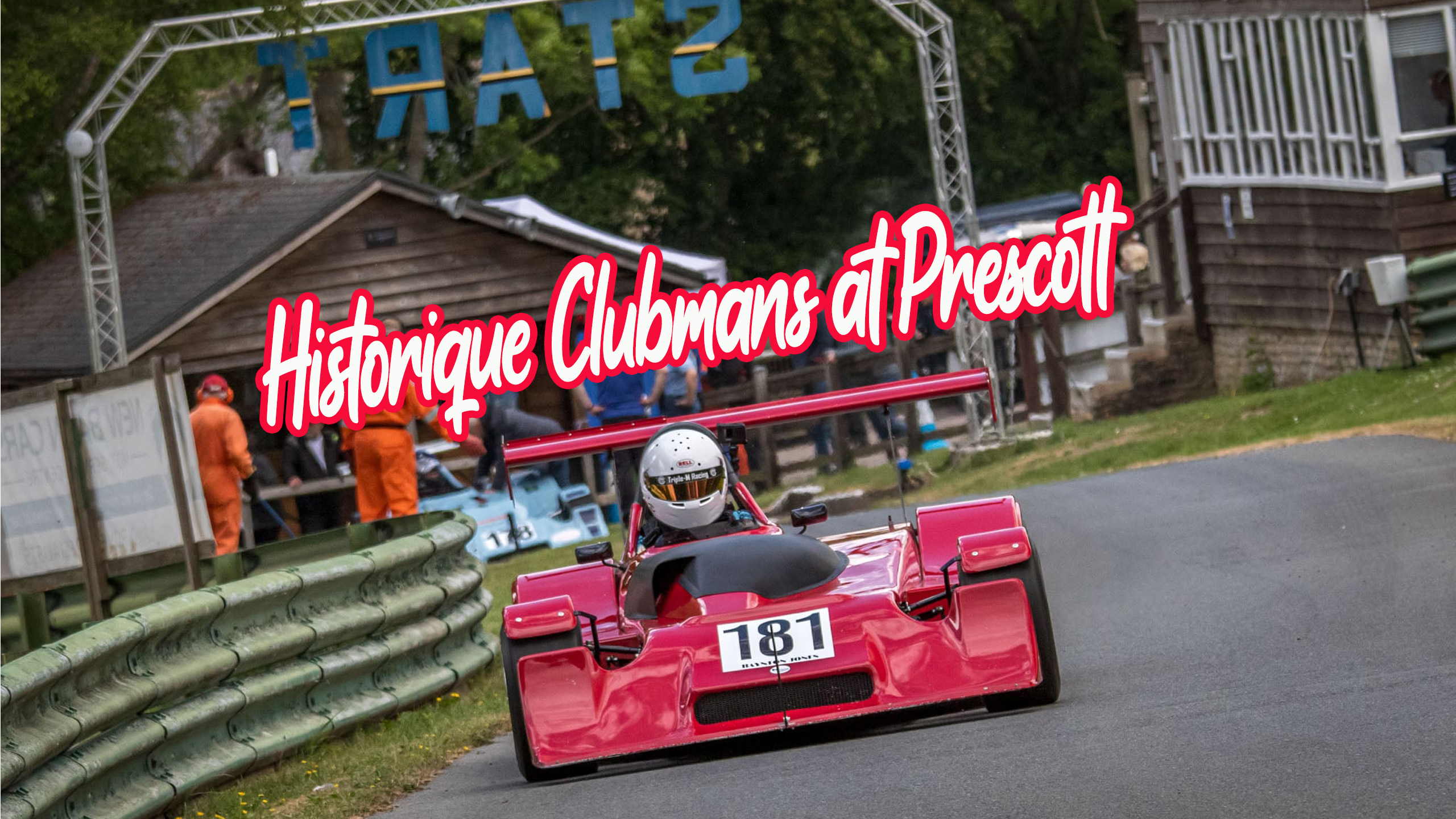
Once a staple on many British hillclimbs, Clubman cars are rarely seen away from racing circuits these days. An event at the Prescott Historique meeting in 2025 may just have changed that.
Clubmans Sports cars have been seen on the racing circuits of the United Kingdom for many a year. The class was created back in 1965 by Nick Syrett of the British Racing and Sports Car Club (BRSCC) who had noticed two things about these odd-looking sports cars; these Lotus 7 style clones were embarrassing more expensive and theoretically faster cars. And secondly in a diametrically opposite fashion, the sports car world had evolved and got faster with many of the garage-built specials unable to keep up with the highly specialized rear-engined designs that were coming to market like the Lotus 23 and Chevron B8. It seemed an odd problem to have but Syrett had the foresight to see there was a place for cars of this type, he believed they could survive on their own

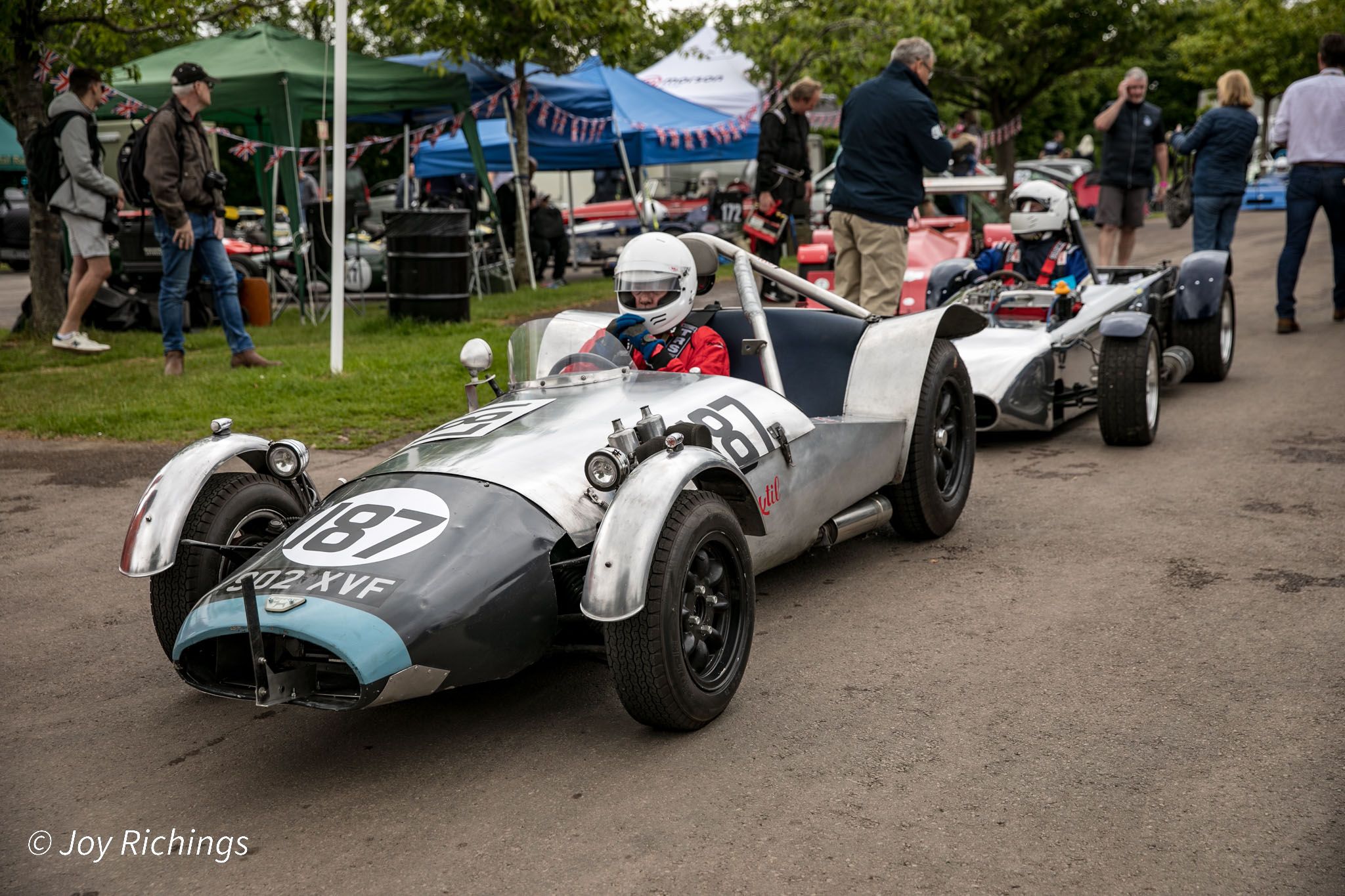

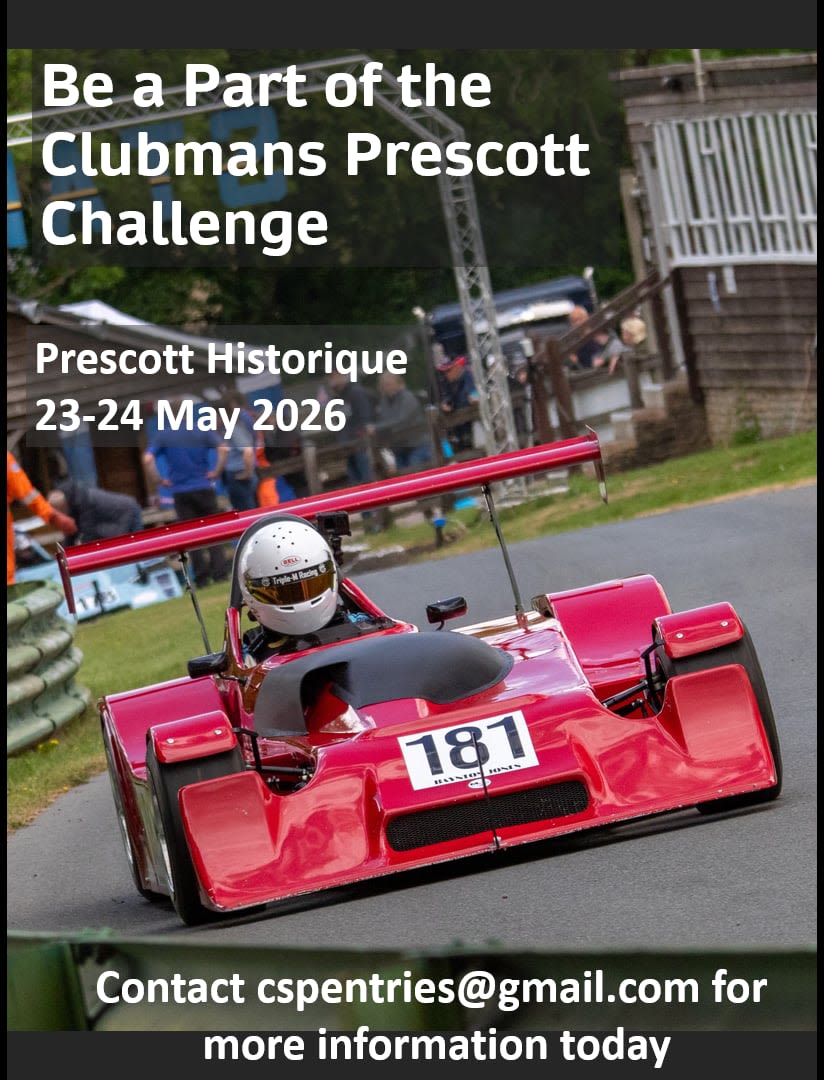
The Clubmans Challenge, Prescott Hill Climb
The Clubmans Challenge, Prescott Hill Climb



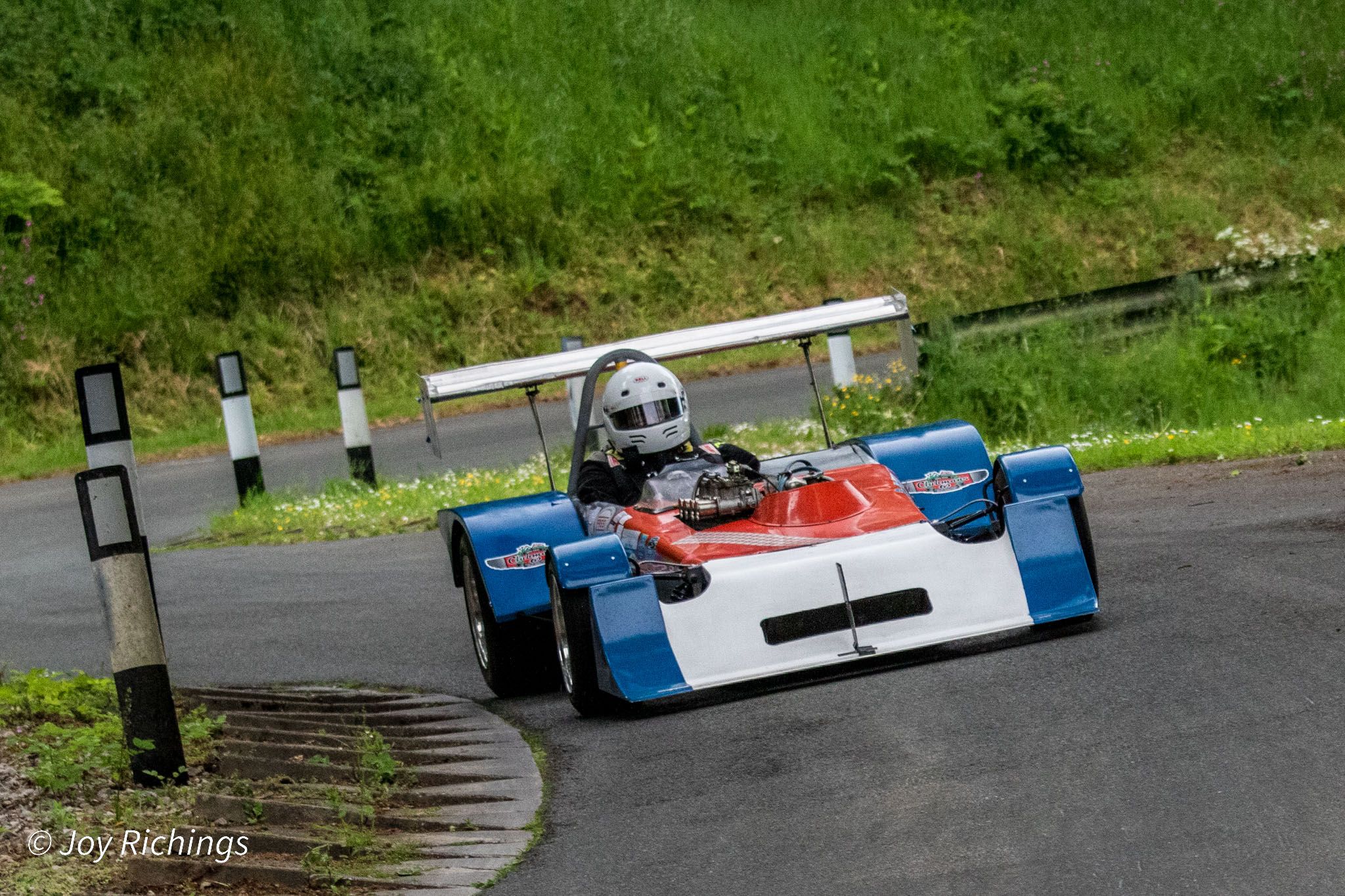

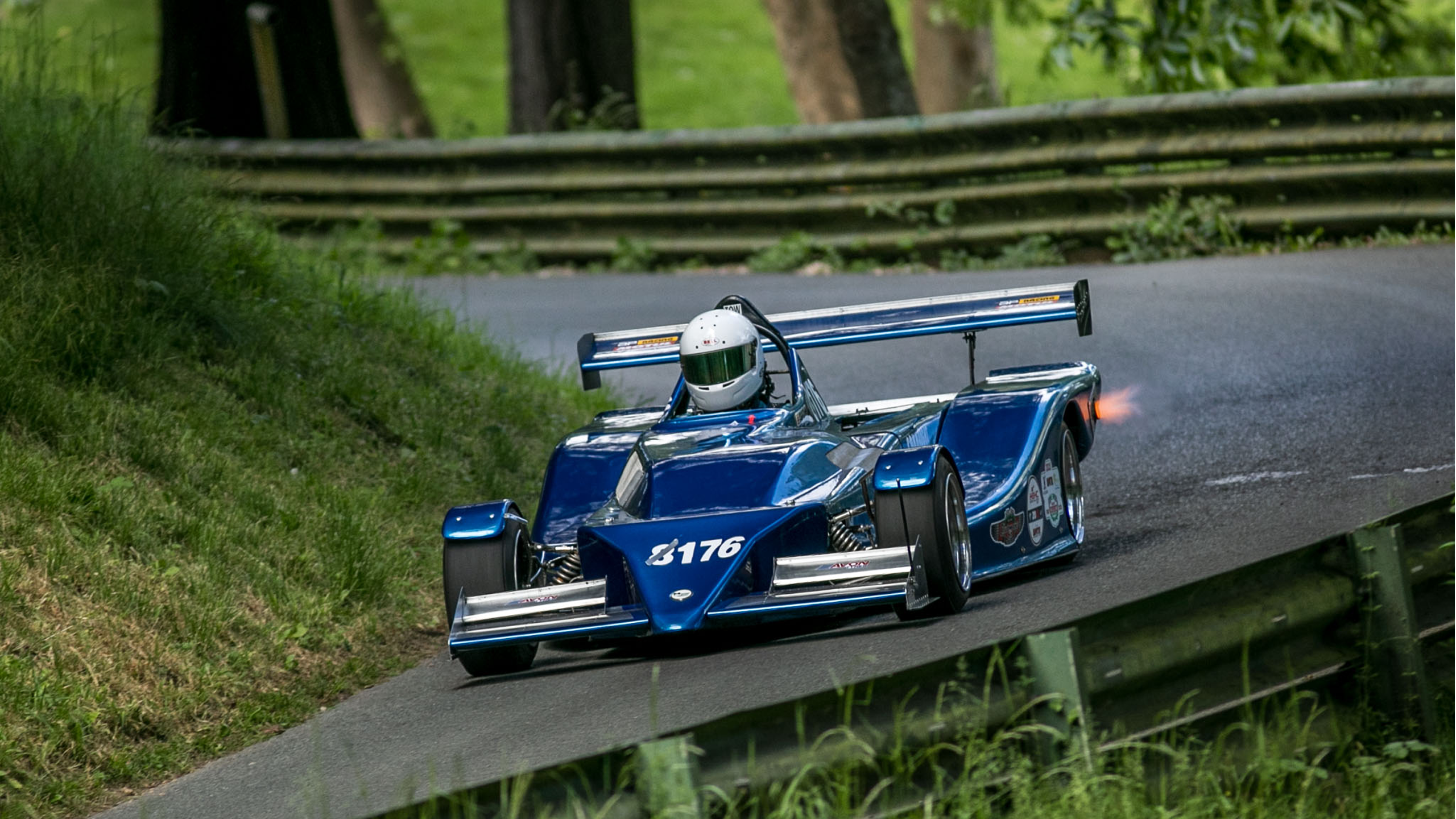

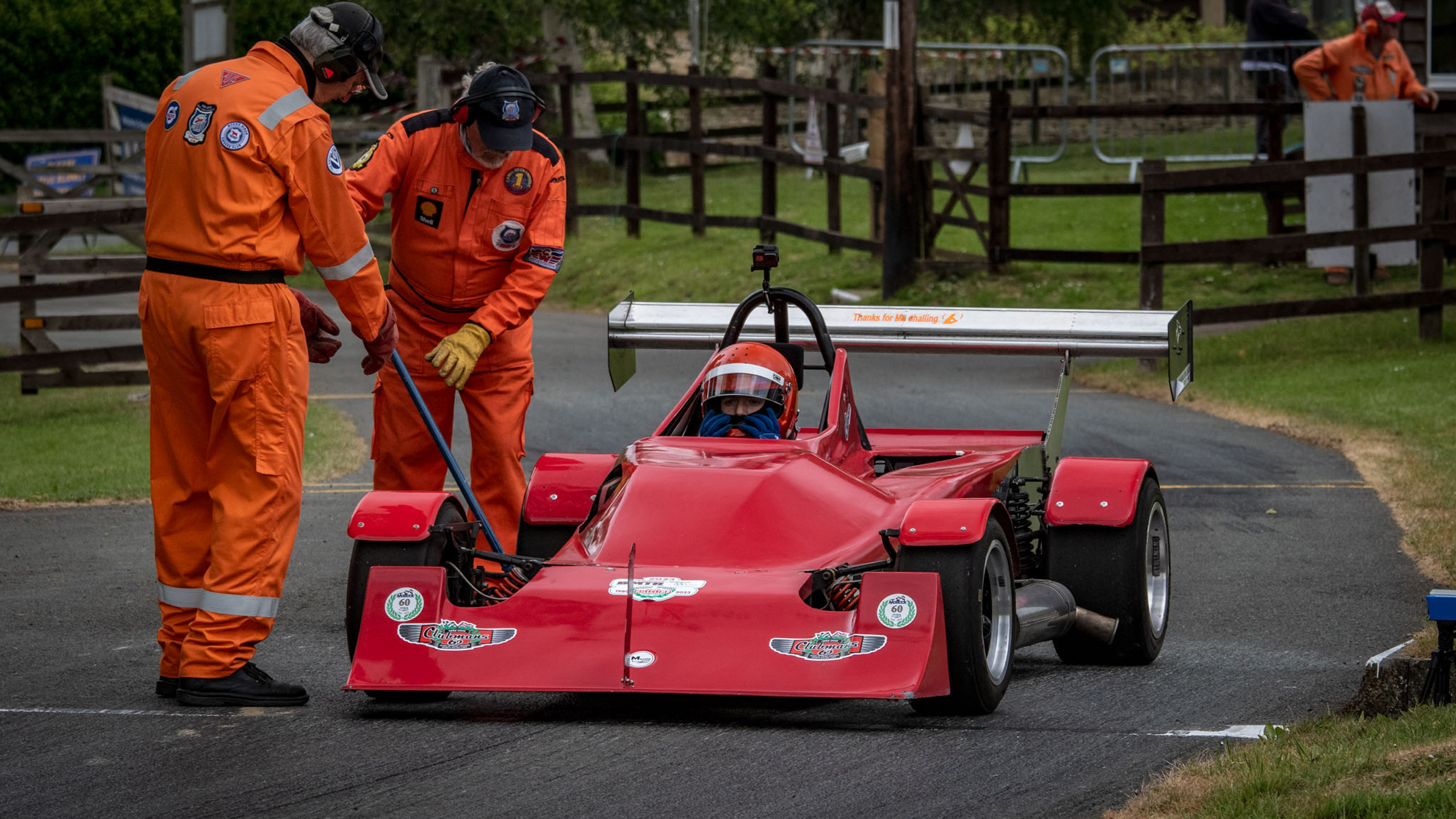


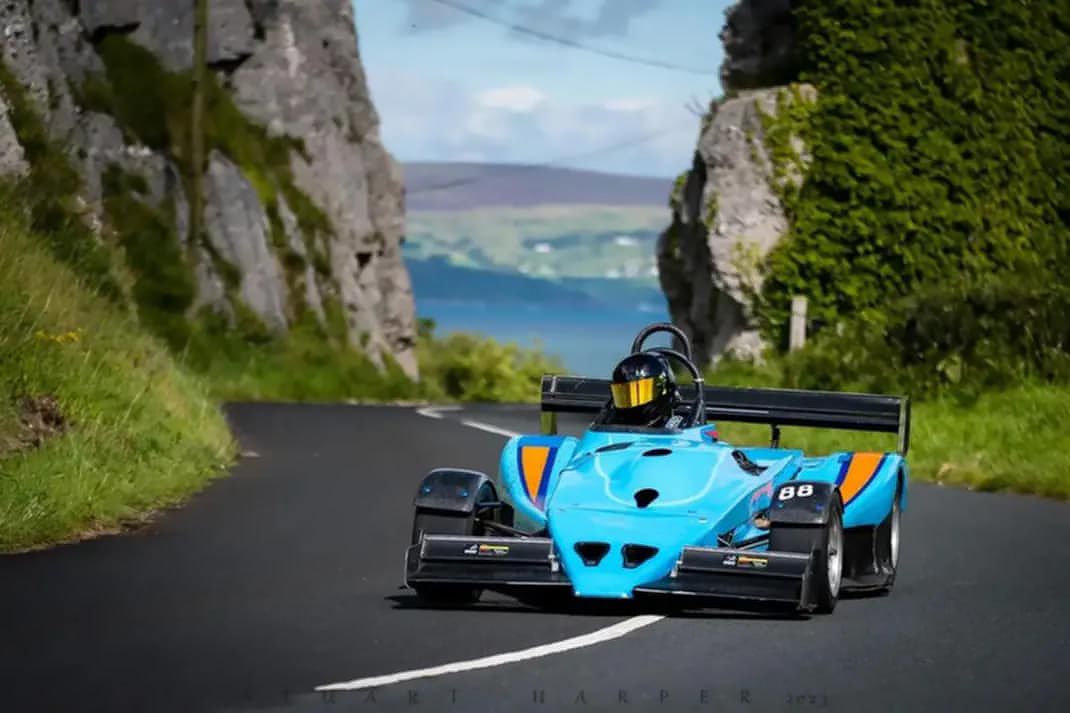
The Clubmans cars were hot stuff on the famed Prescott hill.
I first thought when I tested the car a few weeks before the event that being so far back would be slightly unnerving and whether I would be able to place the car where I wanted it on the track but after testing found out it goes exactly where you want it to. I don’t think you can have as much fun and go as quick for any cheaper! - Archie Cooper
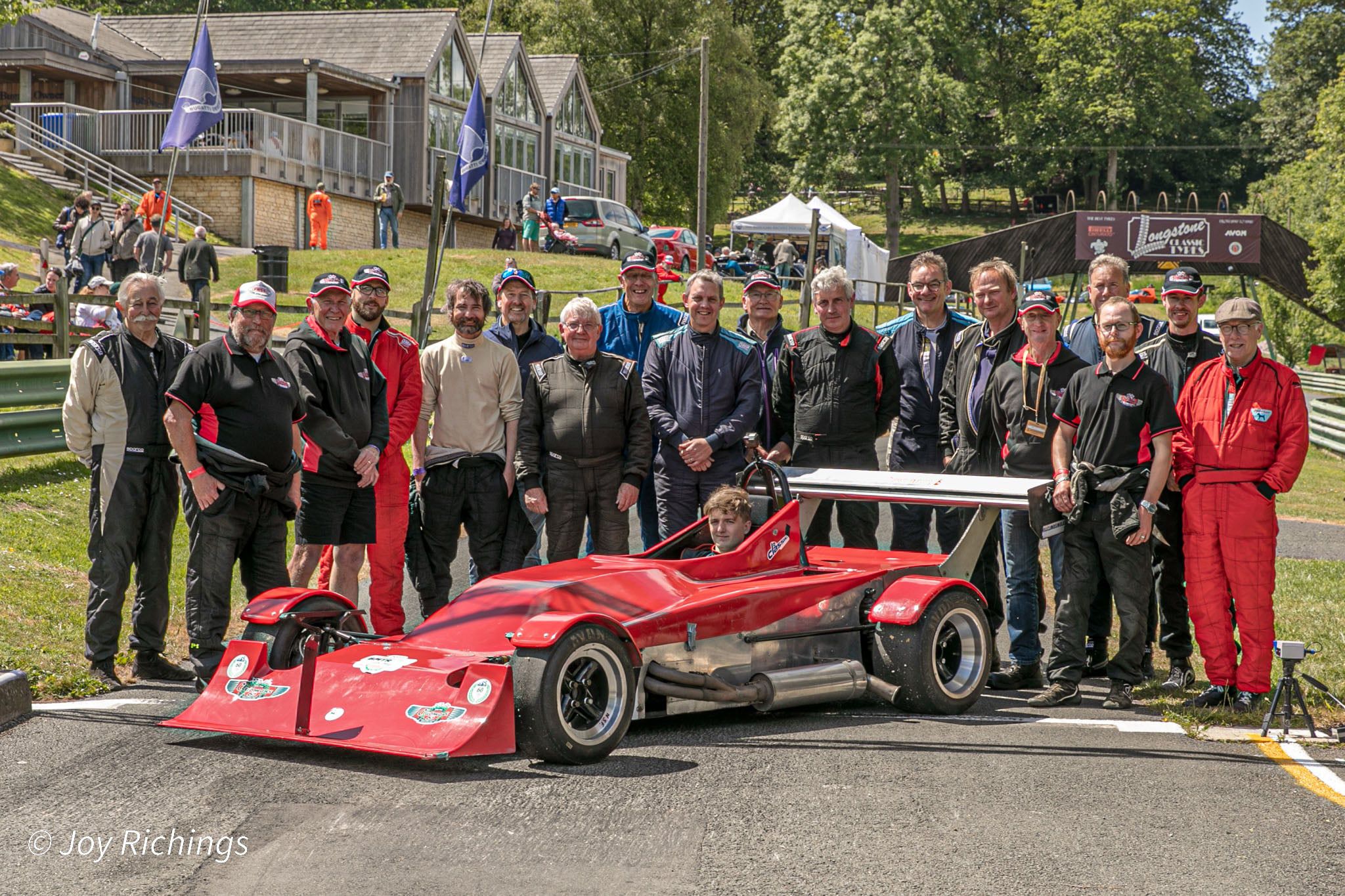
The Clubmans group photo at Prescott Historique event, look for it to return to Prescott in 2026 as part of the Prescott Historique event.
Another hillclimb, this time in Ireland!


But let’s go back a bit and look at the anatomy of the cars, originally, they ran as two classes, A for 1700cc Ford crossflow engines and B using the classic Formula Ford version of the Kent engine with the factory carburetor. Over the years, the classes had to evolve as the Ford Kent engine was no longer in current production and a move to another brand was forced upon the series. The CSP1 class has a lot of leeway for the innovative racers that Clubman’s class is famous for. With a limit of 2 liters, 4 cylinders and maximum power output of 200 BHP, that leaves many choices for racers without breaking the bank. There even is an option of using motorcycle engines, again with a horsepower cap of 200 BPH
In a bid to replace the 1959 designed Formula Ford Crossflow Kent motor, the Clubmans Register made a great choice, selecting the almost bulletproof MG/Rover K-Series 1600 motor normally seen in cars like the MGZR and ZS (hot hatch and saloon) which was a shorter stroke version of the 1.8 K series engine.
Another important change happened in 2020 when the Clubmans Register got together with Motor Sport Vision Racing (MSVR) and the class became known as Clubmans Sports Prototypes with the championship being run at MSVR circuits over England and Wales.

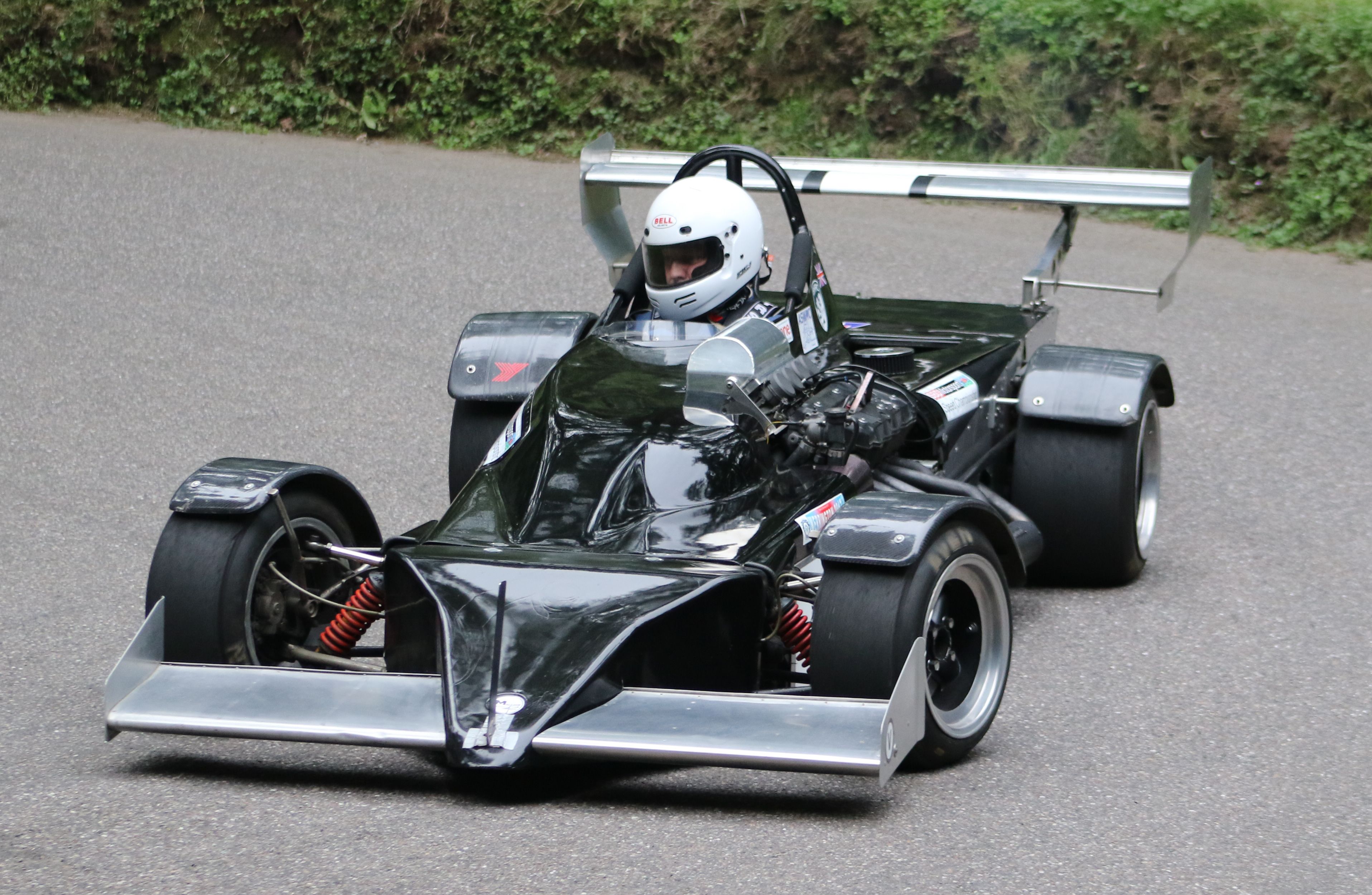

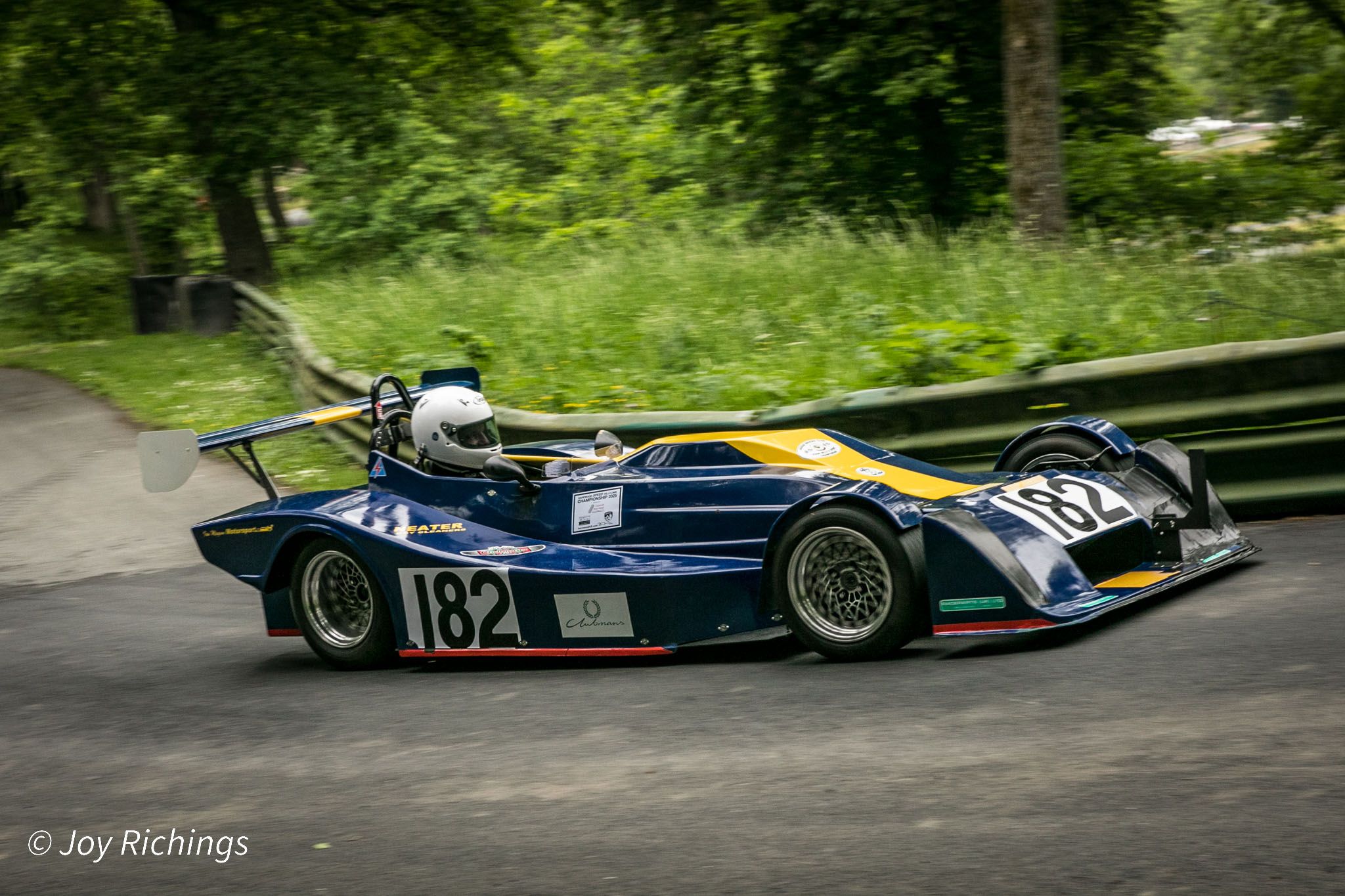

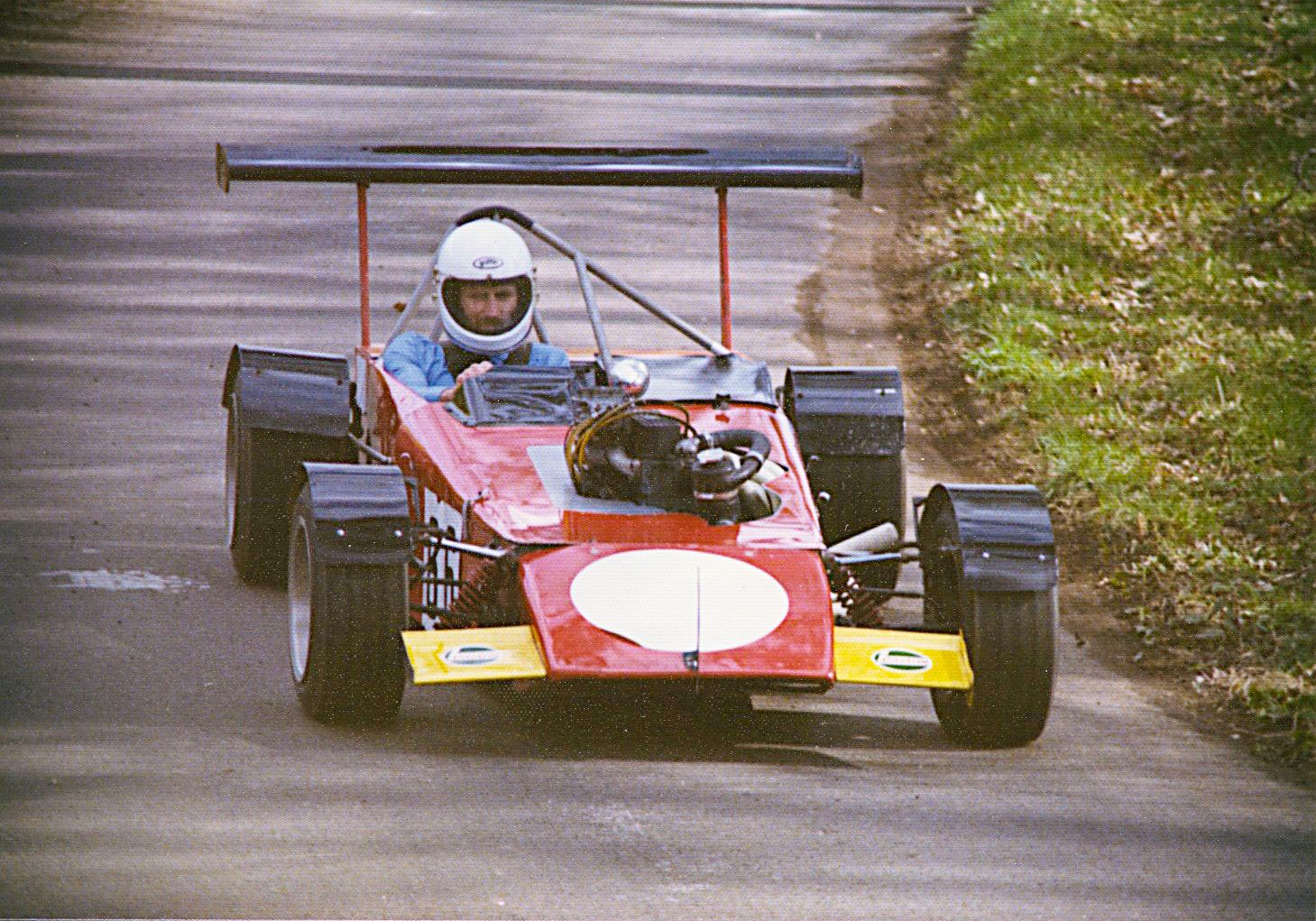

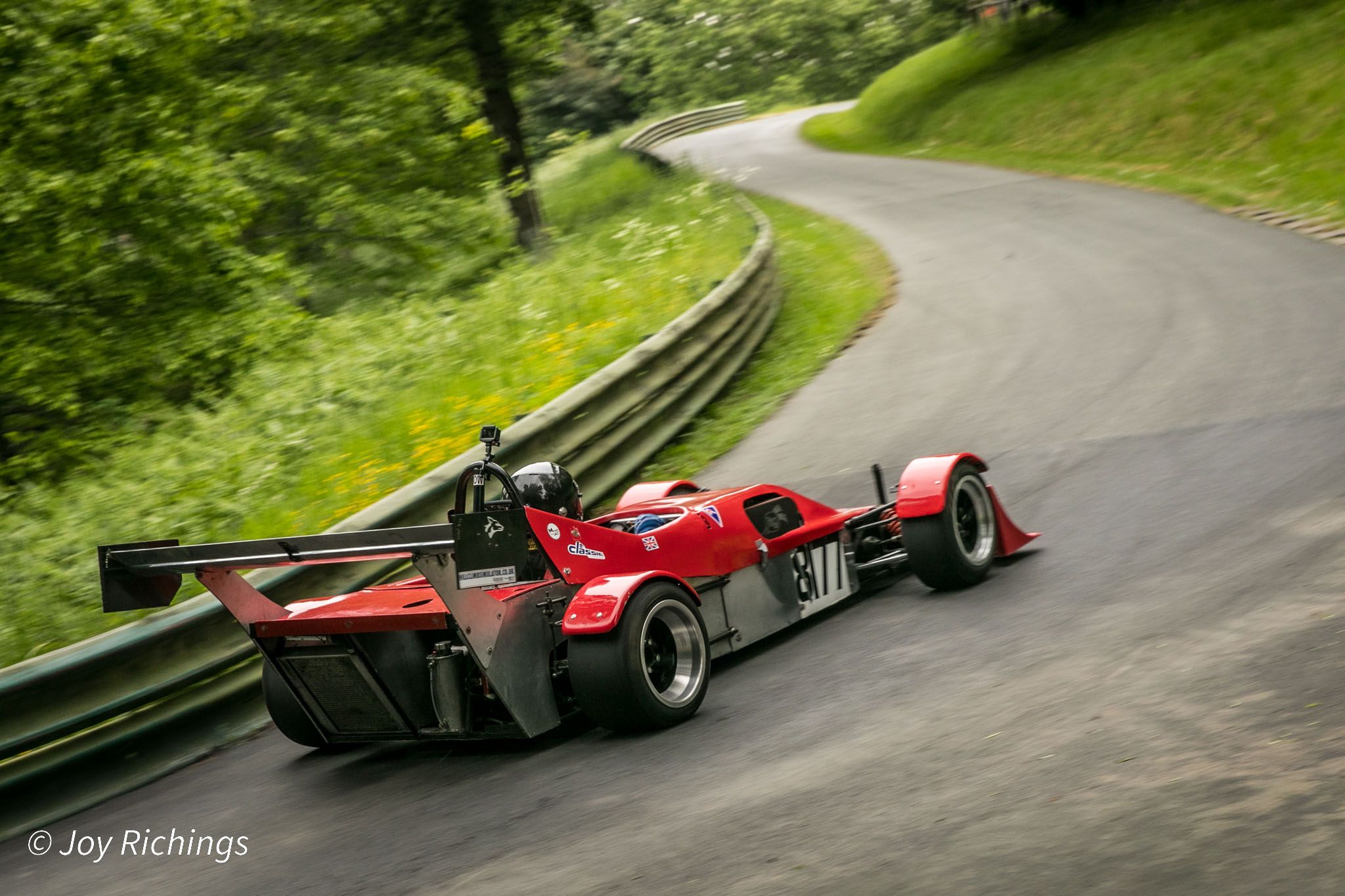

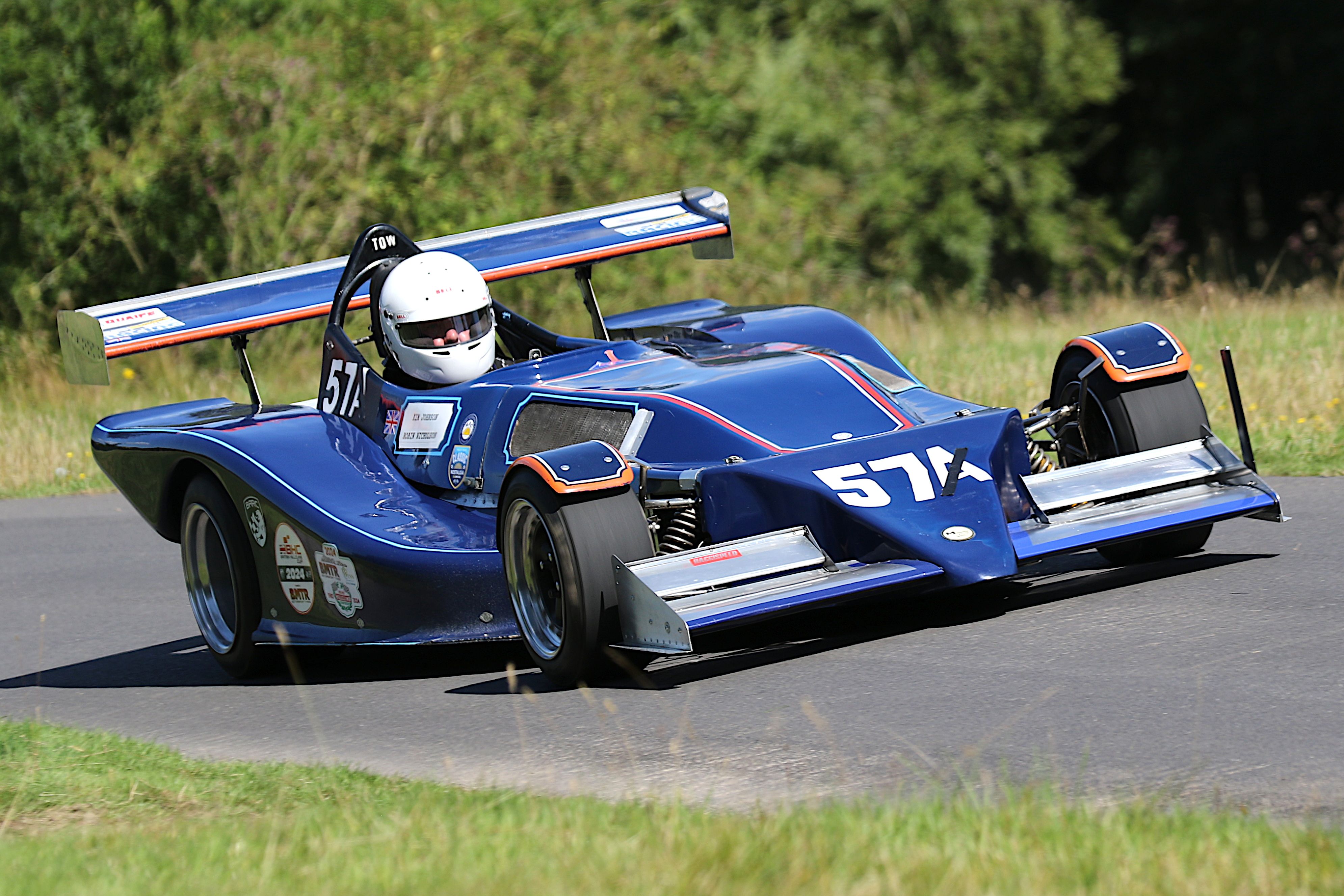

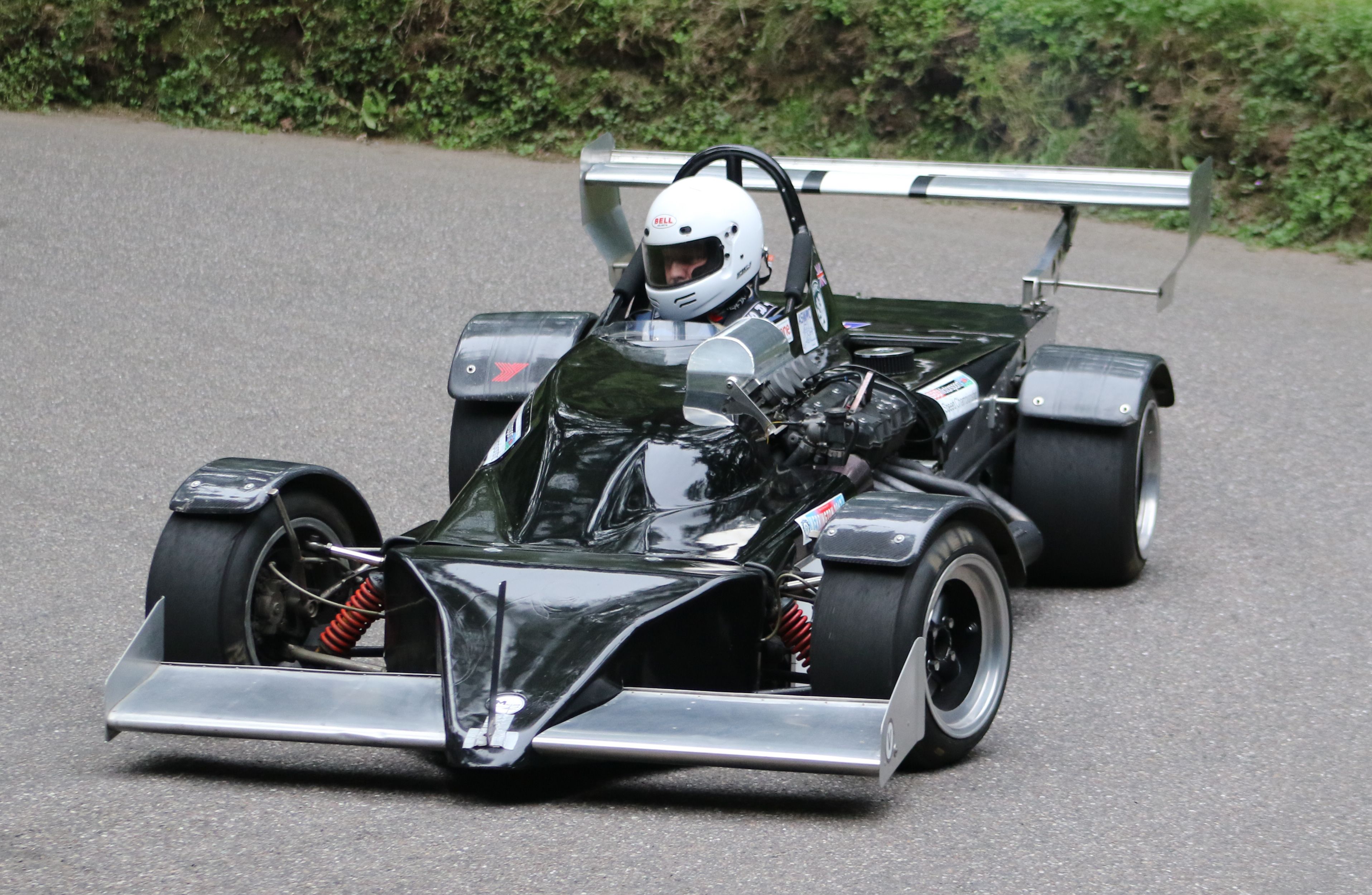




60 Years Young and still Going Strong!
The turnout at Prescott showcased Clubmans cars from the ‘60s up to the present day and nobody was out for a Sunday drive up the famed Gloucestershire hill!
But let's go back to the beginnings, starting with the
Mallock U2

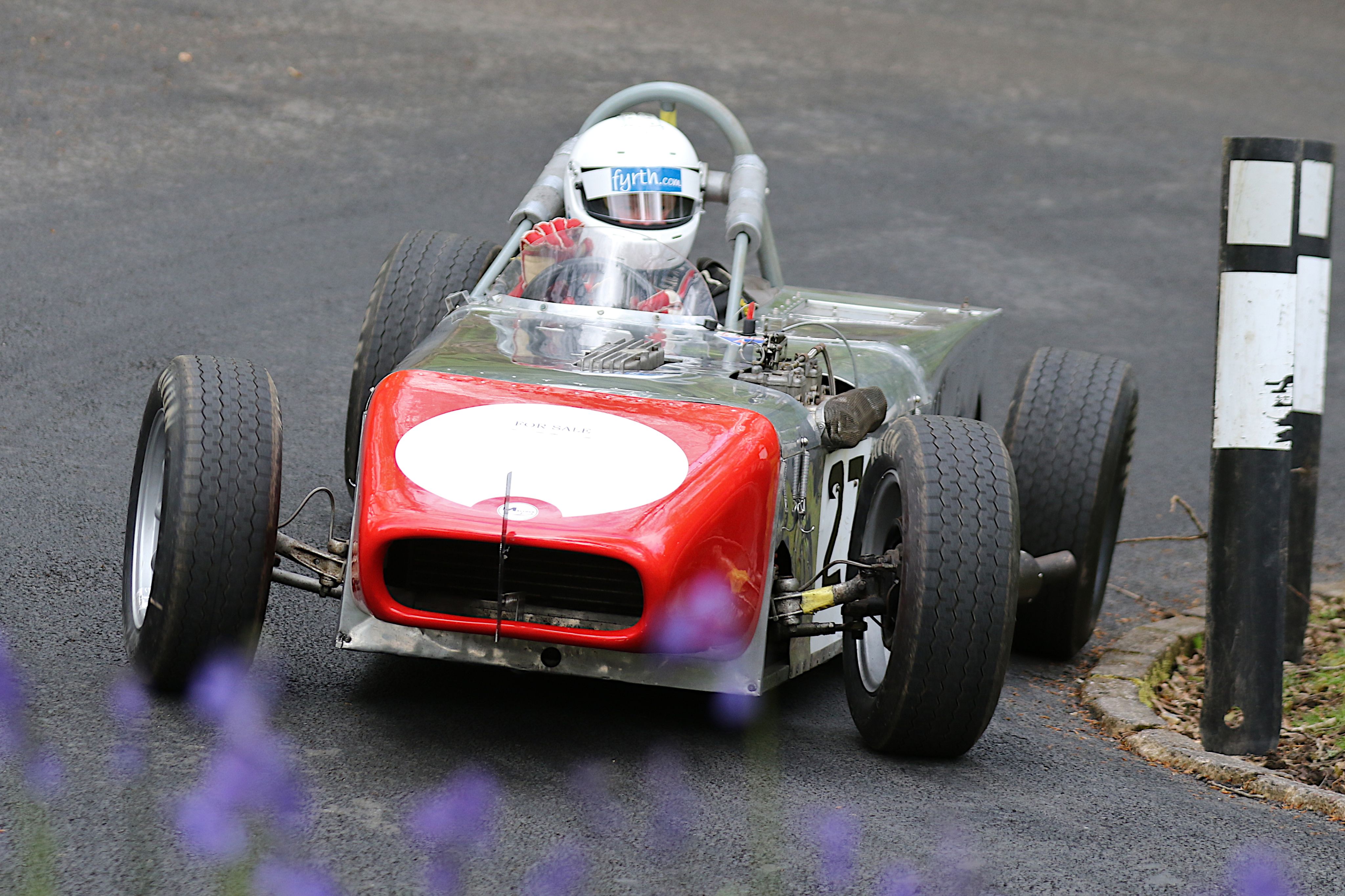
When looking at the history of Clubmans racing one name comes up time after time and that name is Mallock. Major Arthur Mallock never realized that when he started building his first competition car in 1936 he was actually building the foundations of a motorsport dynasty!
The Mallock U2 as we know it today is a sports racing car, designed, developed and built by Arthur Mallock, it was designed to compete in both single seater racing, Formula Junior, Formula Ford and with the addition of cycle type mudguards in sportscar racing series run by the likes of the 750 Motor Club.
The first customer cars were simply called a U2, as in ‘You Too’ can compete, so we have been told. Our good friend Peter Riching expanded on that story so to speak, he told us, “The U2 moniker came from a popular advert at the time for ‘Charles Atlas chest expanders’, the slogan they used was ‘You too can have a body like Mine’ But by 1969 the family name, Mallock was added and Mallock U2’s became a familar sight in British motorsport.
The chassis was constructed out of a steel tubular spaceframe and was commonly powered by a number of different four-cylinder engines; including an 1,172 cc Ford Sidevalve engine, a smaller 997 cc Ford Kent engine, a 1,100 cc BMC A-series engine, and in one case that I know of, a 1558cc Lotus Twin Cam and even a 1.5–1.6 L Ford-Cosworth SCA/Cosworth FVA engine. The more exotic engines tended to be fitted to hillclimb cars where the Clubman Register rule sets did not apply. The engines were offset in the chassis and drove the rear wheels through a conventional 4-speed Ford manual transmission to a live rear axle with the differential offset offset in the axle. This offset was required to mate to the offset engine and created by mating up half of a Morris Minor axle to half of an axle first used in the Austin A30.
The original Mk1 U2 was sold to customers in kit form to keep the cost of going racing low. Mallock was never one to sit still and used his immense engineering skills to evolve the cars to keep them competitive in the what was now called the Clubman Sports Car Series. He made a point of sticking to his original criteria of building in simplicity, low cost, low weight, chassis stiffness and suspension geometry and these were prioritised over aesthetics unlike other manufacturers.
The car car smarts that flowed out of Arthur was apparent when his boys learned their trade at his feet. Older son Richard took over running Mallock Sport with his wife Sue up to 2025 when they retired. Younger Ray created Ray Mallock Limited which would go on to be very prominent in International Sports Car and Touring Car championshi
The first of which the Mk1 were sold as kits in 1958. By about 1969 the name changed to Mallock U2. By 1965 a UK series was established to cater for “Lotus 7 type cars” or Clubmans which included the Mallock U2. purpose-built It was a versatile and highly effective front engined race car. It also competed in Formula Junior, Formula Ford, and Formula Three events. The chassis was constructed out of a steel tubular spaceframe, and it was later equipped with a De Dion rear axle, in 1972. It was very light, weighing only 948 lb (430 kg) meaning it did not require big horsepower to provide performance that would the smile on the face of a new racer.
Over the course of the next 20 years, Arthur developed ever more ingenious ways of extracting performance from his cars over a range of motorsport disciplines, including trials, hillclimbs, sportscar and single-seater racing. In 1958 he designed and built his first chassis for sale – the U2 Mk1. U2s of various marques and guises provided hundreds of people with the opportunity to go racing, whilst learning about the engineering and dynamics involved in race car competition. And so the Mallock racing dynasty began.


Leaf Racewear - Chosen By Winners Everywhere
Leaf Racewear - Chosen By Winners Everywhere

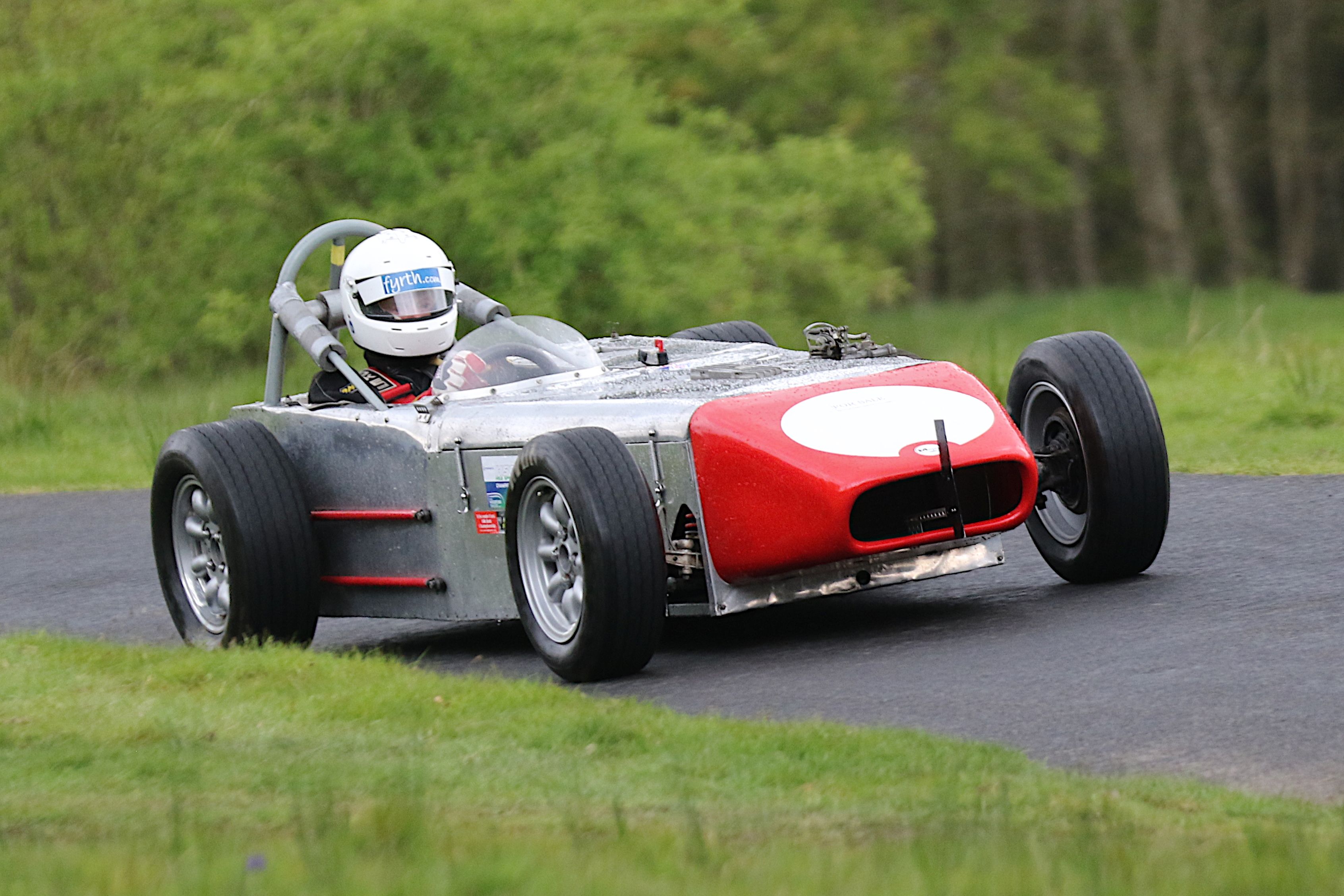

In the Name of The Wee Man
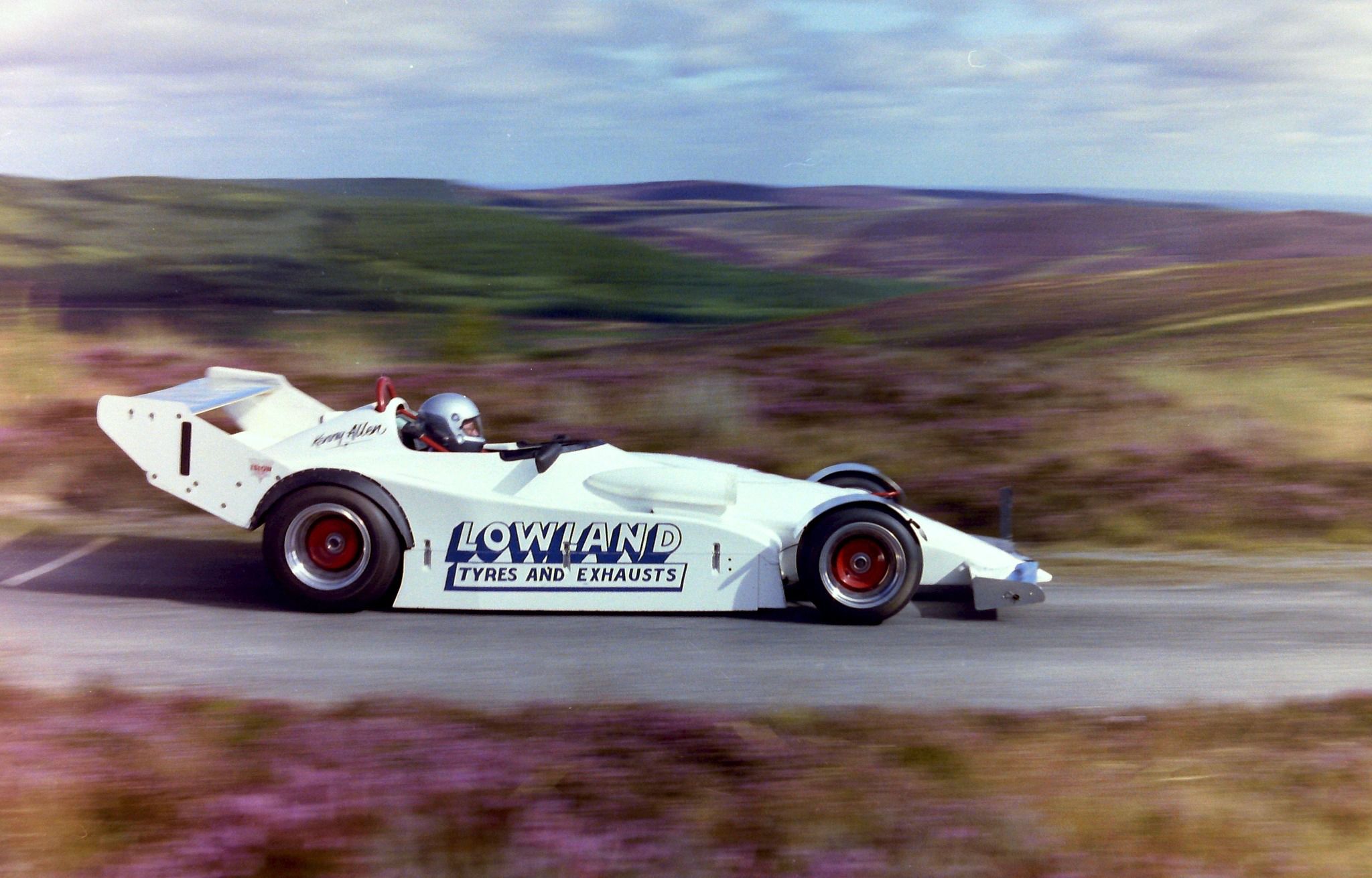
Kenny Allen, Scotland's Clubman!
The title of this article may confuse those readers who are not Scottish. It is a saying that many a Scotsman utters when he is surprised. Admitedly I have heard much worse but I think it is an apt way of describing Scotland’s Kenny Allen who may have been small in stature but behind the wheel of a racing car he was anything but! Kenny Allen was surprisingly fast and successful!
Competing at first in a Mini, the diminutive Crosskirk resident honed his craft in a quiet, businesslike way, eventually becoming a seven time Scottish Hill Climb Champion, the Scottish Speed Champion (combination of hillclimbs and sprints) and qualified for ten British Hill Climb Championship Runoffs.
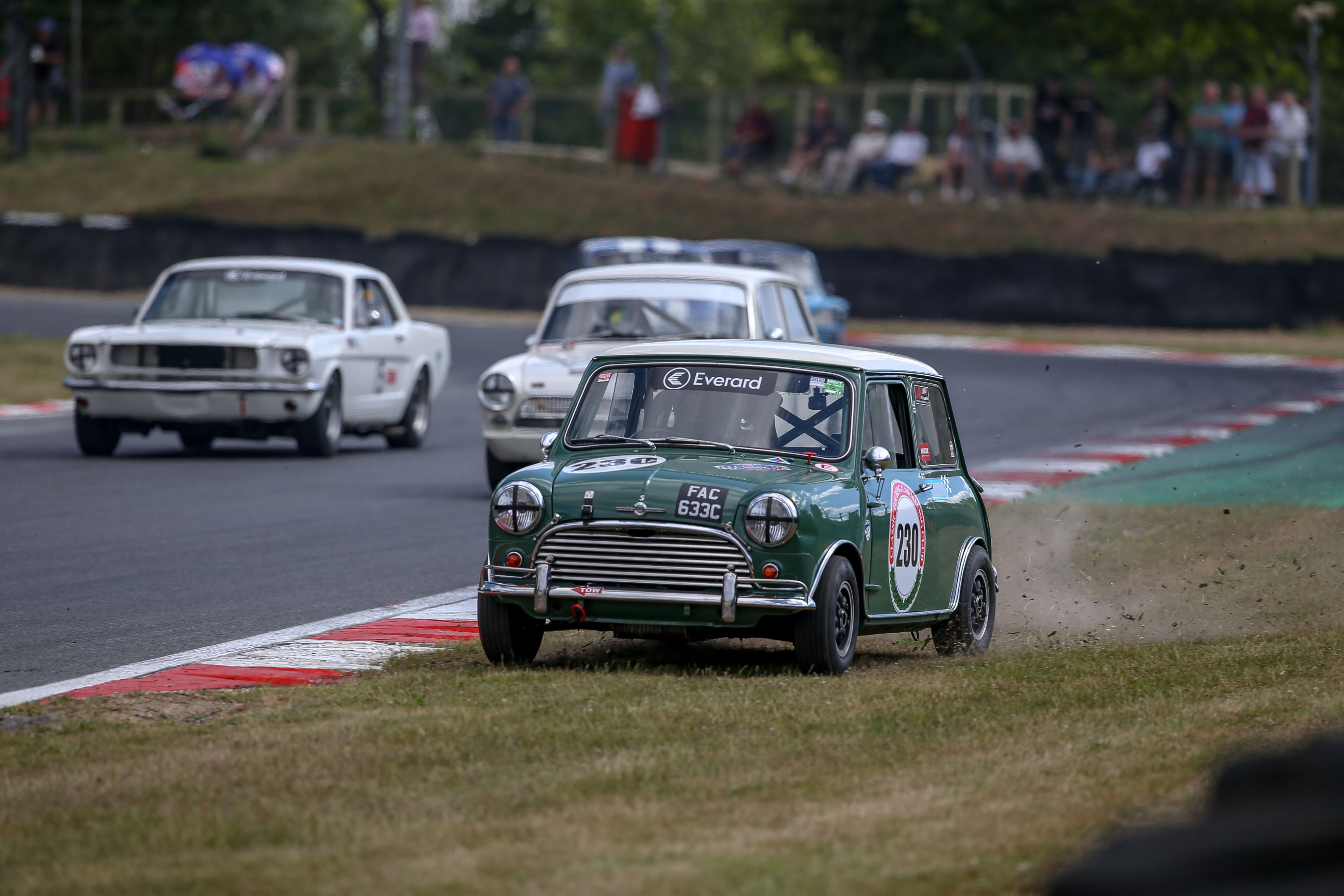
Kenny excelled in any car he drove, he was a fan favourite in the ex Johnny Blades works Clan Crusader, before finding a home in Clubmans cars, initally with a Mallock before aquiring a Vision V84 which he ran in A class trim before sourcing a newer V87 Vision V87 in which he ran a 2 litre BDG.




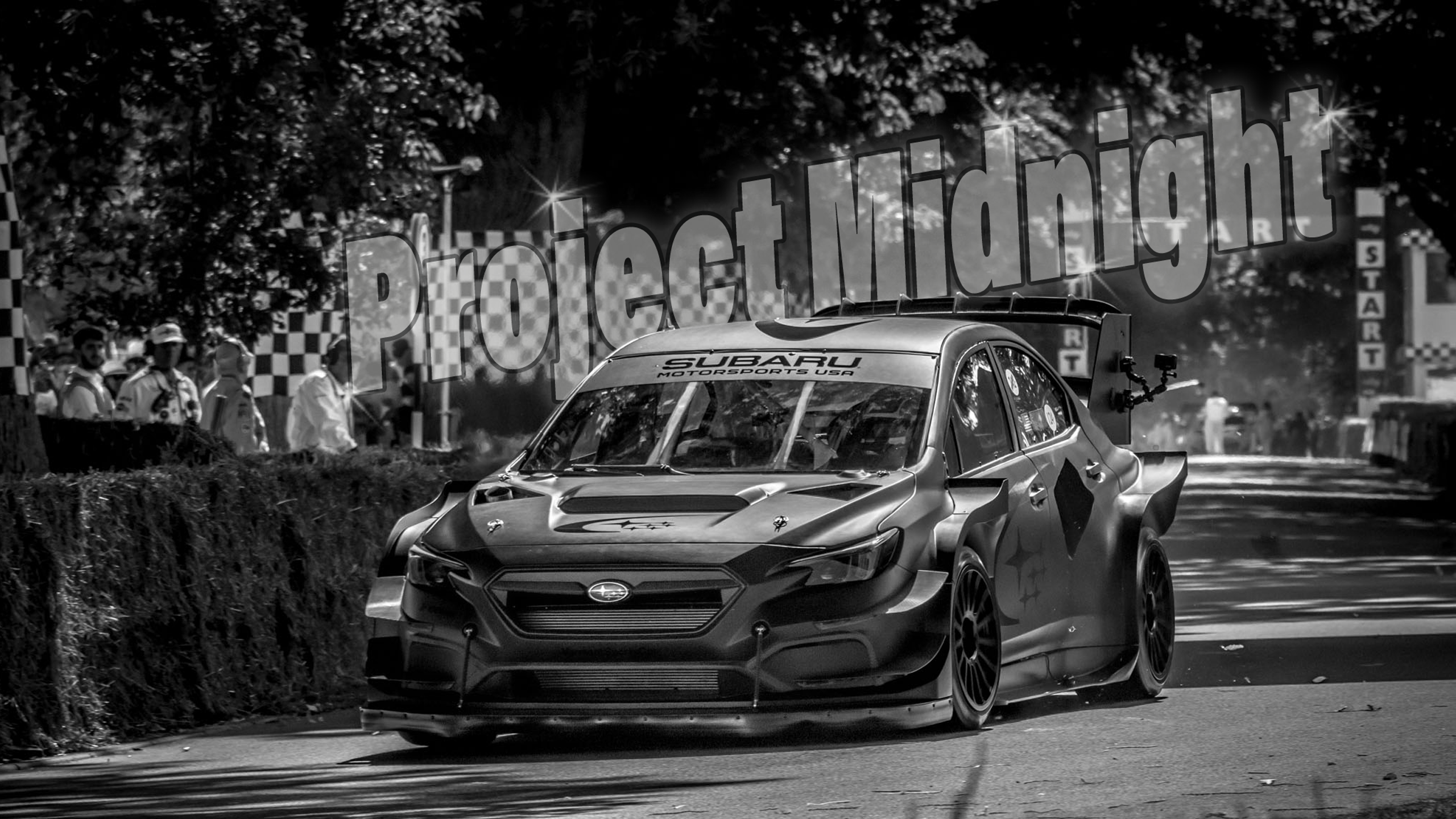

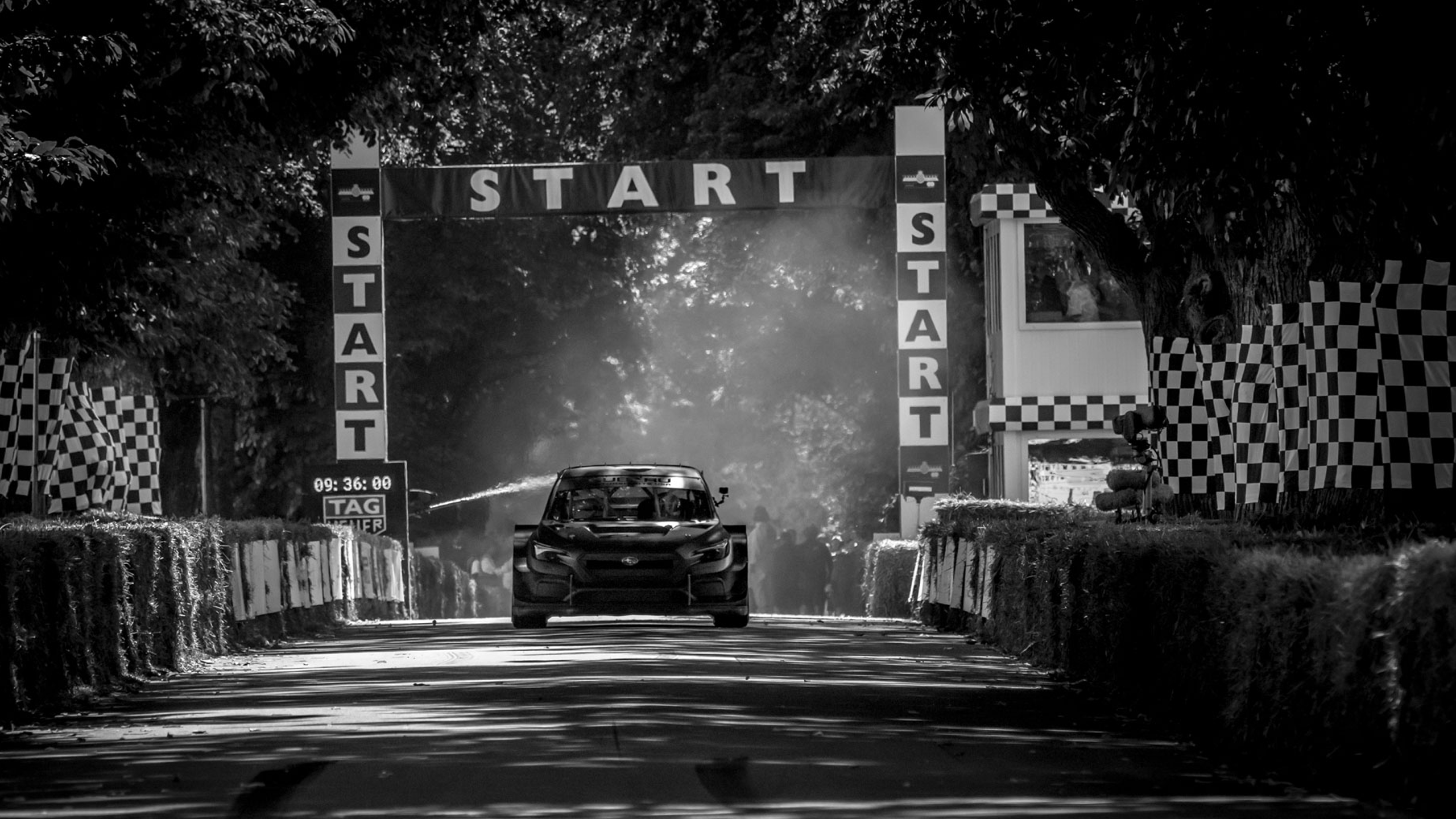

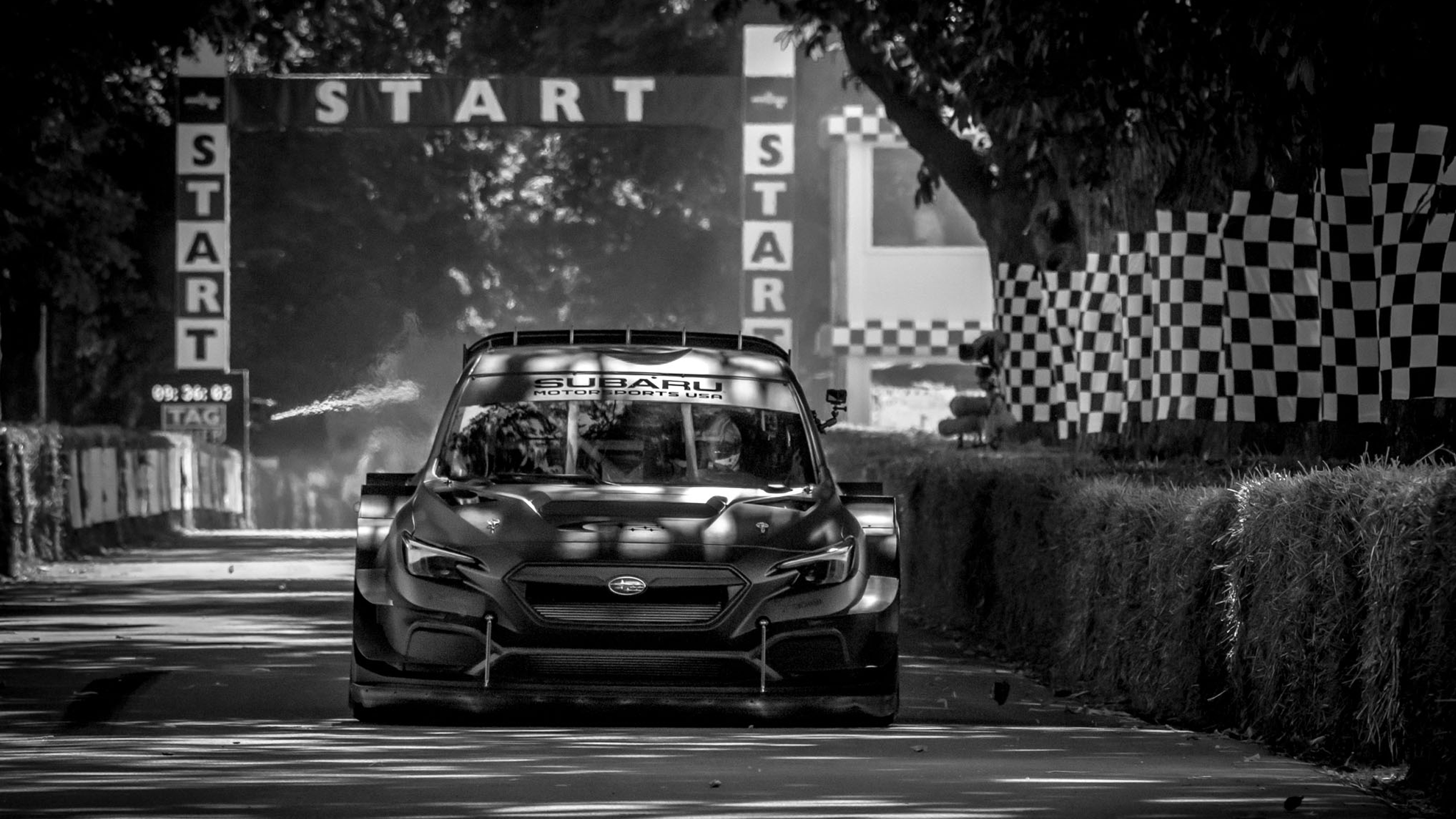
Project Midnight stuns at Goodwood, fastest ICE car!
Photo set by Joy Richings, @COVSCAPE
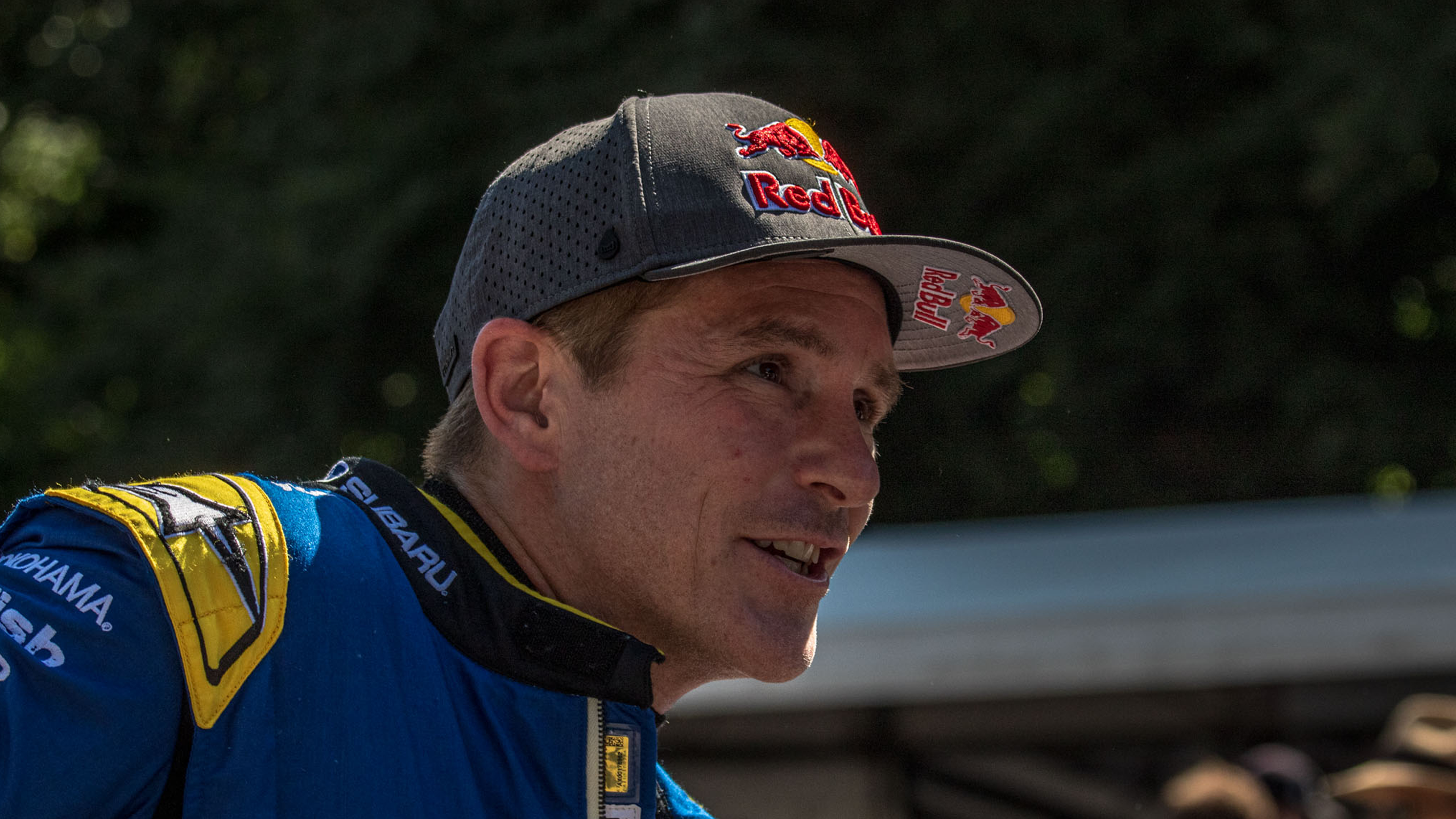
Scott Speed took Midnight to second overall in the Hill Climb
Scott Speed is a 42 year-old Californian who has competed in multiple motorsport disciplines. He was the first American to compete in F1 since Michael Andretti raced with McLaren. Placed in the Red Bull feeder team Scuderia Torro Rosso in 2006 he was the only American in F1 but unfortunately in mid 2007 the German phenomenon Sebastion Vettel came to Red Bull’s Academy mastermind Helmut Marko’s notice and Speed lost his seat in the World’s premier single seater series. half way through the season.
He may have lost the Red Bull F1 Torro Rosso seat but he did not lose Red Bull’s support. He was placed with Red Bull supported teams in in the ARCA and the NASCAR Craftsman Truck Series before being placed in in a Team Red Bull Toyota on Sunday, October 19, 2008 and starting his first NASCAR race at the Martinsville Speedway.


As British as Tea and Scones
As the title of this article says the Wiscombe Park Hillclimb is as British as Afternoon Tea and Scones. I recently got talking to Nigel Cole who as Wiscombe Ltd Publicity Director is the guy responsible for getting Wiscombe exposure online and in the press. He is also handy behind a camera and on the keyboard, pounding on the keys to produce this article for us.
Wiscombe Park has a lot of history behind it. It first came to my attention when I started watching their live stream that is provided by Speed on Screen. It really looked like a track that would test the racer but be lots of fun too. I got chatting with Nigel and we decided the history of this particular English speed hillclimb venue had to be told!
Wiscombe Park, as a UK speed hillclimb venue, has just welcomed in its 68th season. The challenging course, is a mixture of technical and flat-out sections, set in a steep wooded valley with an average gradient of 1 in 14 on a private estate, located close to the town of Honiton in East Devon.

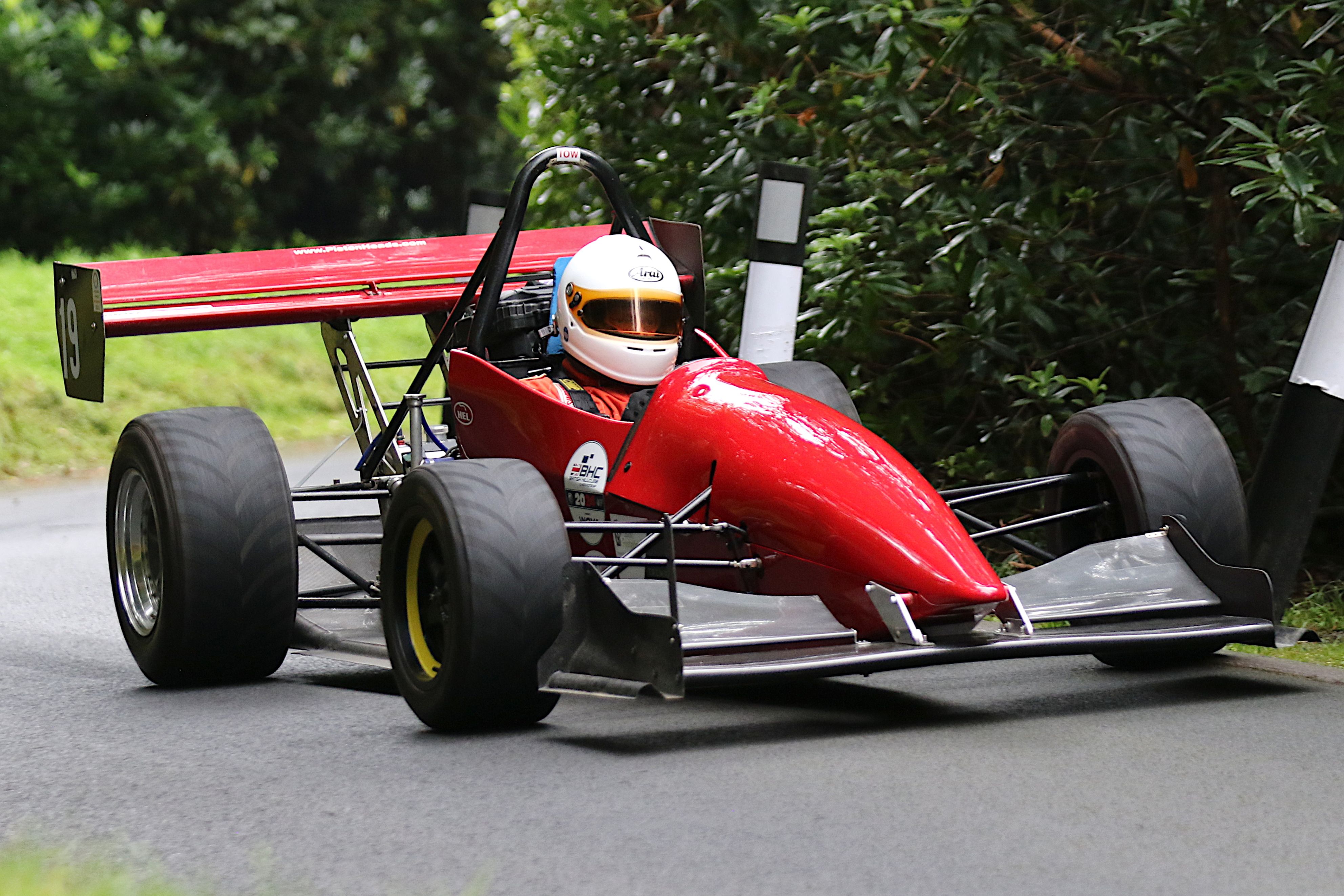
The story starts during the Second World War with the meeting of two men embroiled in war in the Middle East. When Major Richard Chichester met Major Charles Lambton they discovered that they shared a passion for cars. Whilst he was based in Palestine, Richard’s “daily driver” was a Rolls Royce Phantom Sedanca de Ville. Not surprisingly, this piqued the interest of Charles, and they became great friends. When the war was over and it was time to return to the UK, the Majors found a Rolls Royce Silver Ghost languishing in a Tel Aviv scrapyard. They restored the Silver Ghost and then drove it for 5,000 miles back to England.
Richard left the army in 1951, and married “Bunny”, and they purchased the estate of Wiscombe Park, near the market town of Honiton, in 1953. The estate was in a rundown condition and the house had been uninhabited for several years. One of the first improvements was to create a new tarmac driveway to Wiscombe House and boy was that going to pay dividends for the motorsport community in later years.
See page
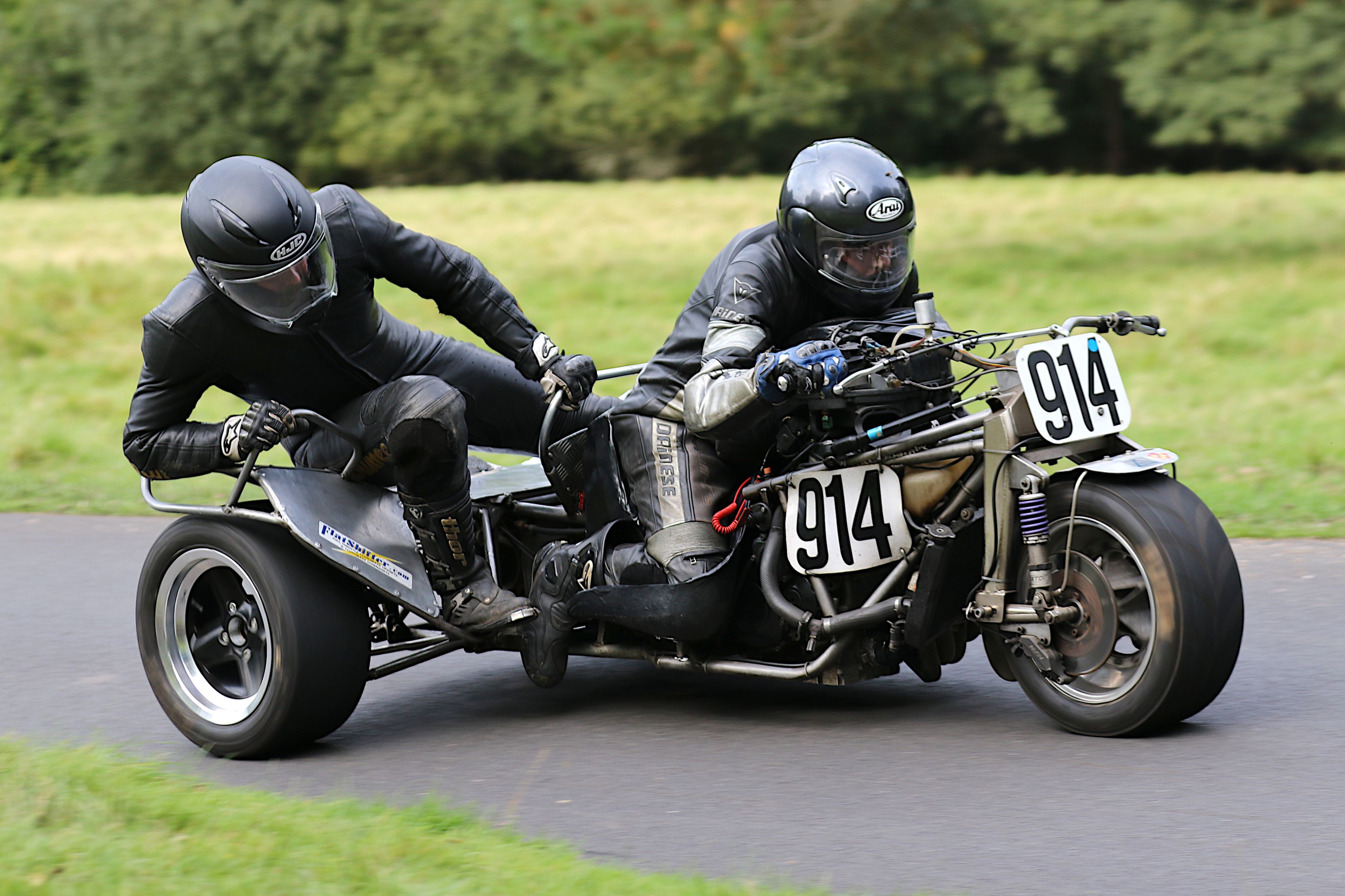

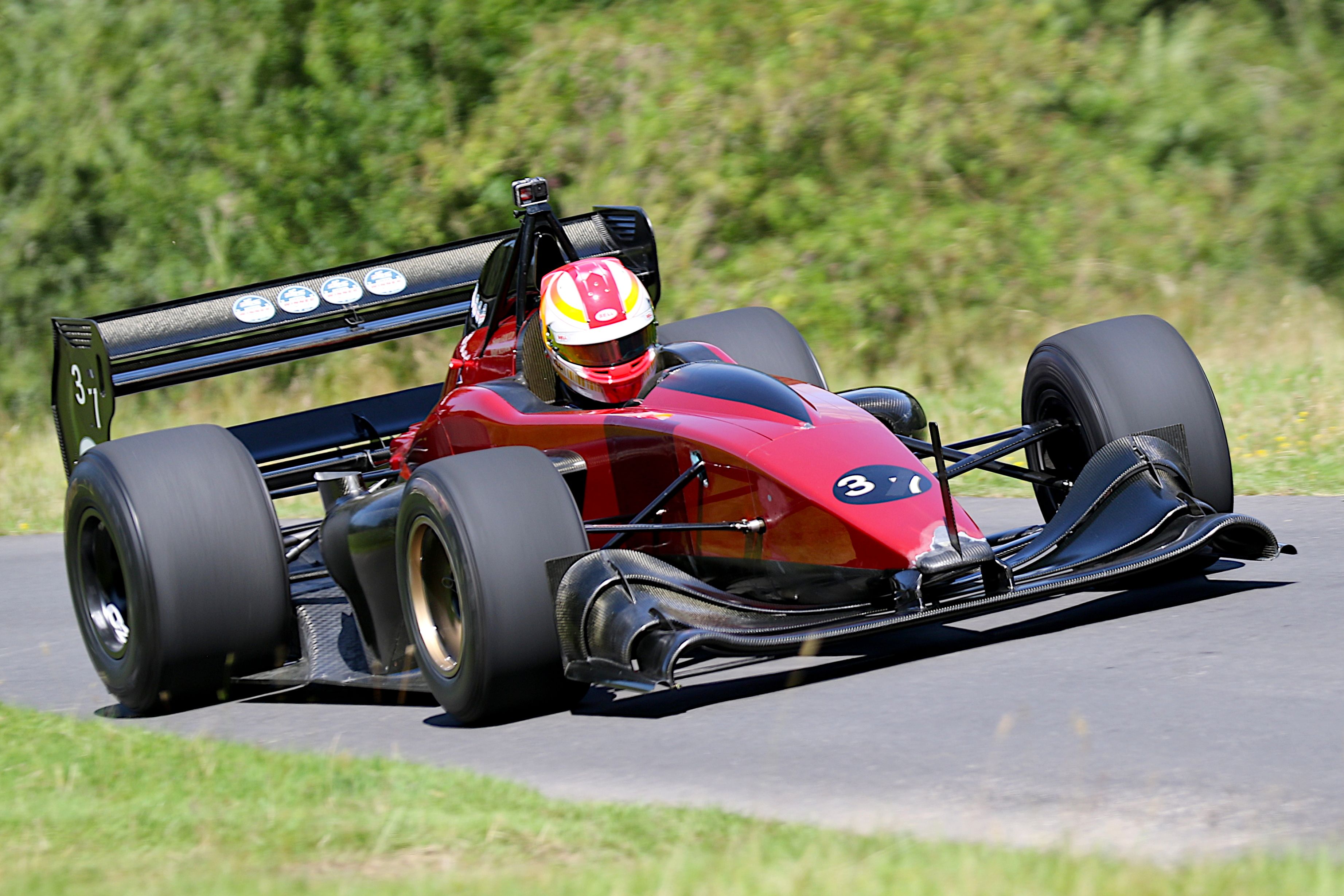


Matt Ryder
"Wiscombe is certainly one of my favourite venues of the year. The organising team are fantastic, the crowds are big and the hill is incredible to drive. For me it is a hill of three thirds. Firstly open and daring, then technical and precise, then hairpin execution. I can’t wait to go back this year."
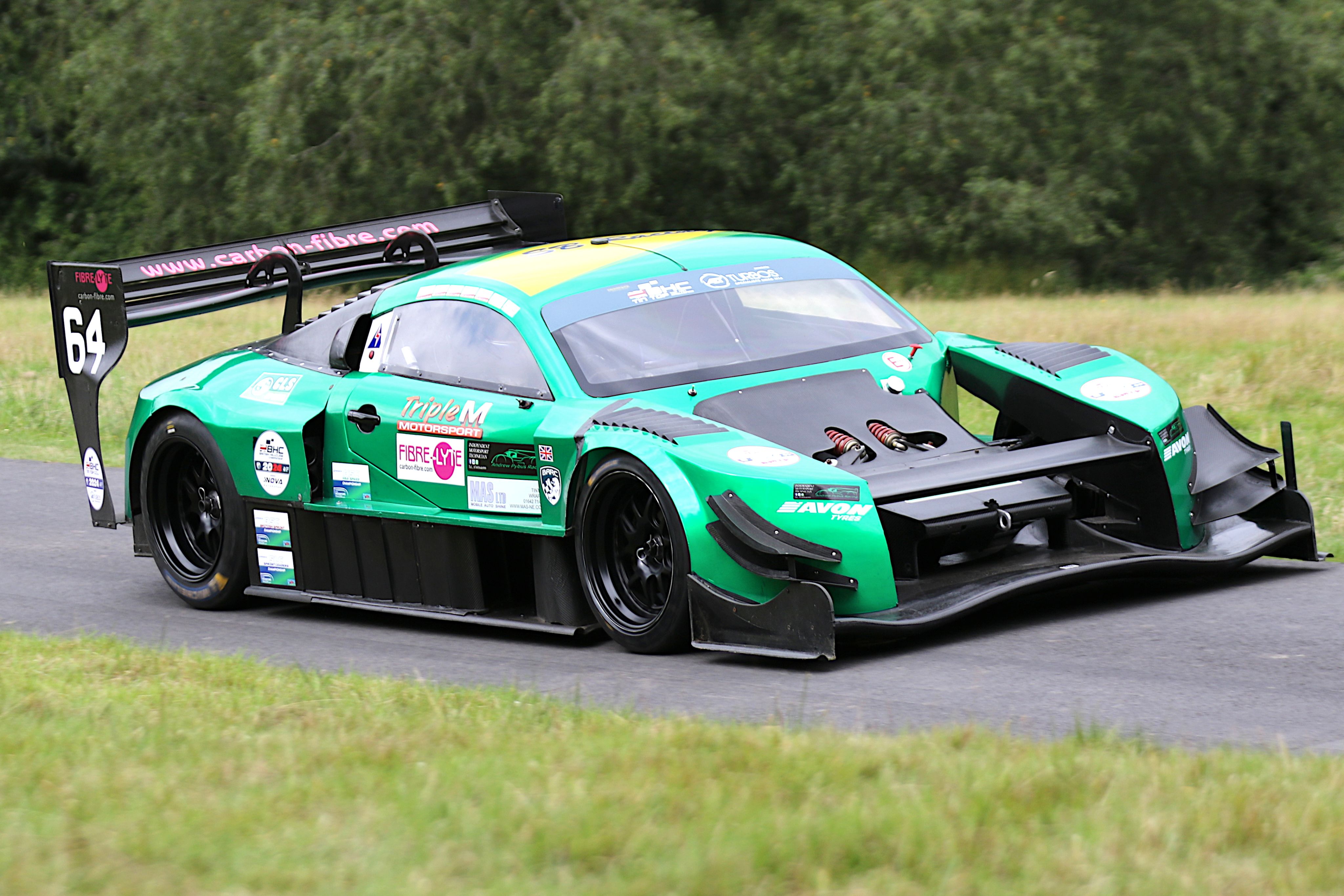
Simon Bainbridge
Simon's SBR Chrono V10 is one of a kind sports car based on the Audi R8. Simon and his dedicated team have developed the car over the years and now it is competitive wherever it goes. Simon is a two-time AET Turbos Tin Top Challenge Champion and is looking to make it three in a row.
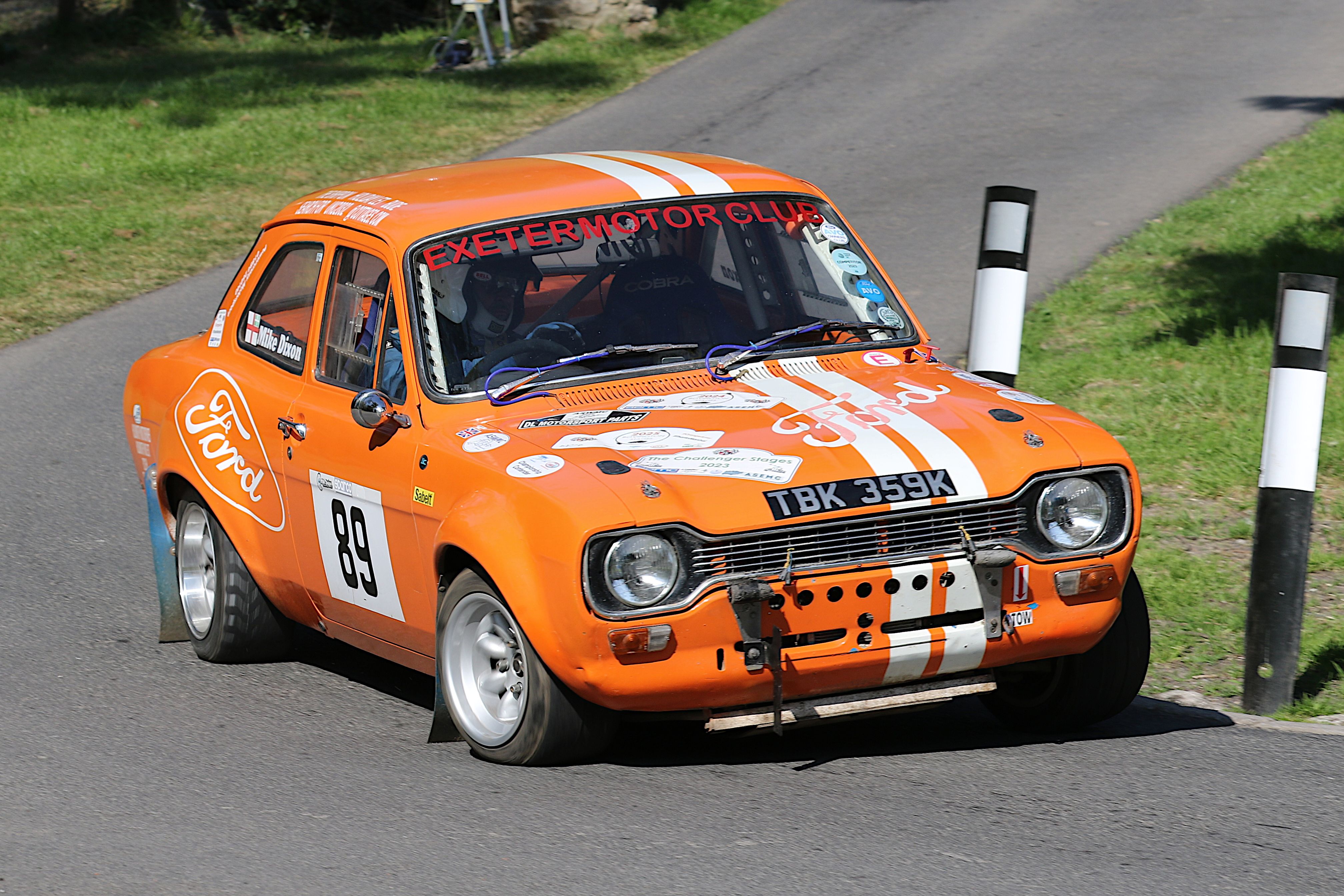
Mike Dixon
“I am in the rally car class with some really good friendly people. We always have a laugh but, even so, take the competition seriously. I also compete in single venue stage rallies. Summing up the atmosphere in the paddock, I really enjoy it there as everyone is friendly and helps each other out when needed, it is a view shared by many, and the camaraderie amongst competitors is one of speed hillclimbing’s attractions.
The current property is a Grade 2 Gothic country house built in 1826. However, the estate is steeped in history, and in medieval times belonged to Otterton Priory and in the reign of Henry lll was granted to Sir William Bonville. The descendants of Richard Chichester still own the estate and are huge supporters of events run up their very own tricky piece of tarmac.
When Daniel Richmond of Wiltshire based Downton Engineering, the famed Mini engines tuning specialists, visited Wiscombe, he drove Richard Chichester at high speed up the newly laid driveway. Daniel and his wife “Bunty” competed regularly in hill climbs with a wide variety of powerful cars. That one run up the hill sowed the seed of the possibility of Wiscombe becoming a motorsport venue. Richard was spurred on by Charles Lambton, who already had some experience of hillclimbing himself.

A group of enthusiasts, led by Richard, and known as the “conspirator’s”, undertook the planning to make their dream a reality. In addition to the Richmond’s, another member of this group was famed motoring journalist Denis “Jenks” Jenkinson. “Jenks” acquired legendary status as the co-driver to Stirling Moss when they competed in the 22nd Mille Miglia of 1955 driving a Mercedes-Benz 300 SLR. Stirling and “Jenks” covered 1,000 miles at an average speed of 98mph - an achievement that is considered to be one of the greatest drives in motorsport history. Stirling attributed the success to “Jenks” novel invention of writing course notes on a roll - the forerunner to pace notes that were later adopted in rallying.
The first Wiscombe Park event was held on the 24th August 1958. The original course of 735 yards consisted of Wis Corner, Wis Straight (incorporating Bunny’s Leap), The Gate, The Esses, and Sawbench Hairpin. In 1961, the hill was extended to its current length of 1000 yards by the addition of Castle Straight and Martini Hairpin. Wiscombe attained national status when it hosted its first round of the RAC Championship in May 1962 and at that time he first hill record was set by Desmond “Dizzy” G Addicott driving a Lotus 11 with a time of 49.30s.
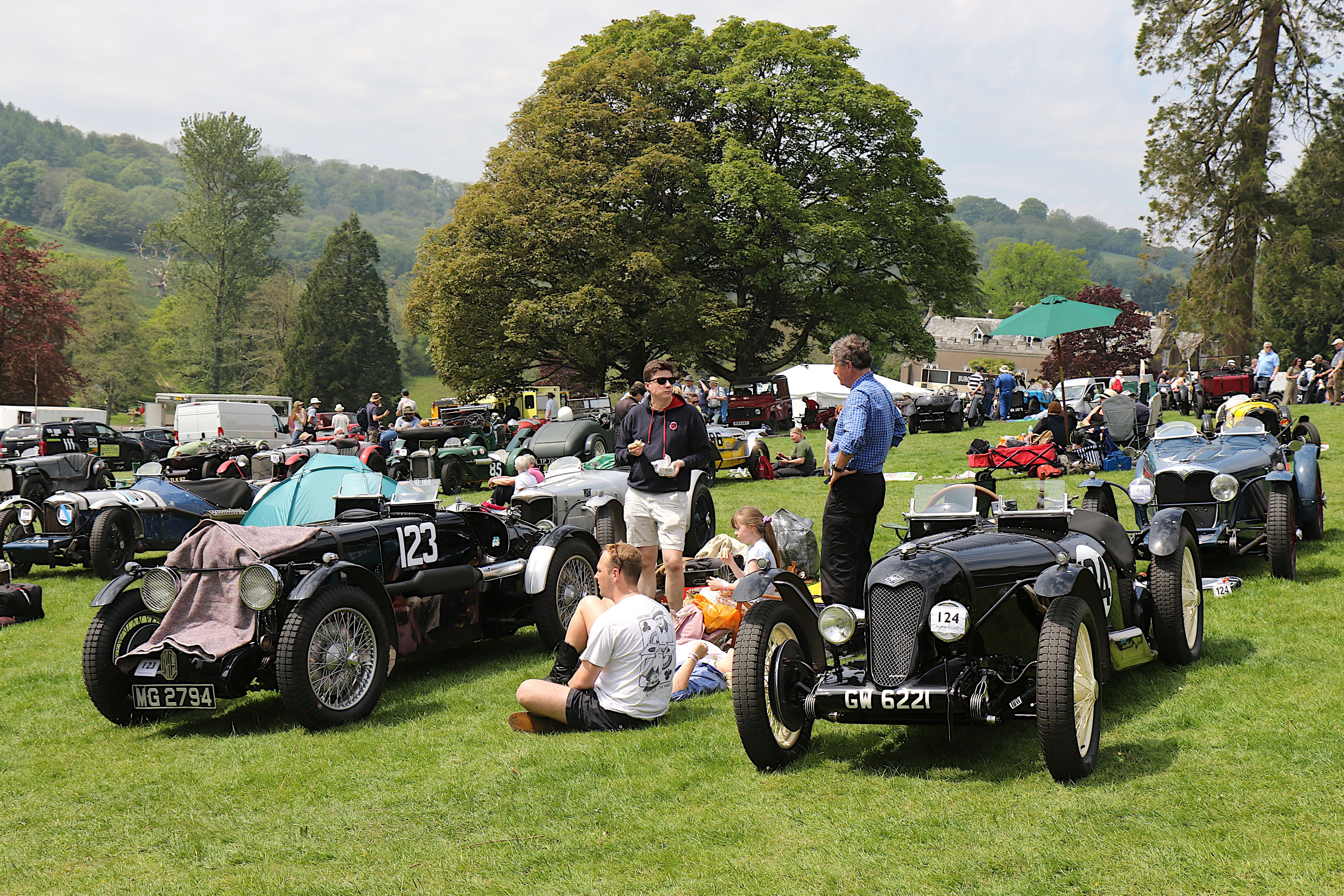
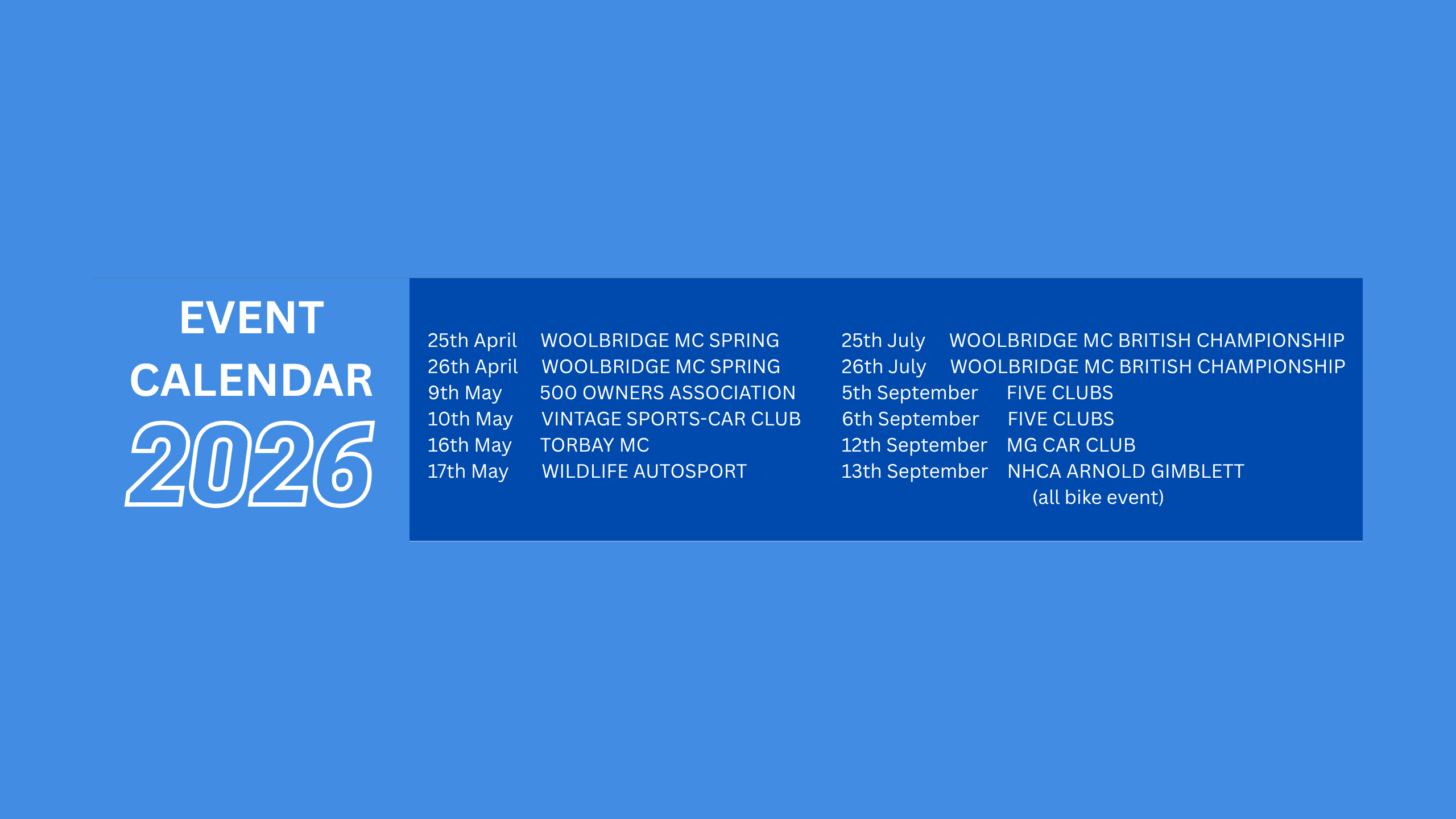
The main driveway to Wiscombe House has been used for speed events continuously ever since. It still hosts a round of the British Hillclimb Championship every year attracting the seasons biggest attendance of spectators. A total of six race weekends are held annually, and in addition to the “jewel in the crown” British Championship event, the venue hosts rounds of many championships – both regional and national - involving cars from every era of motoring including the racers of the 1930’s, members of the Vintage Sports-Car Club.
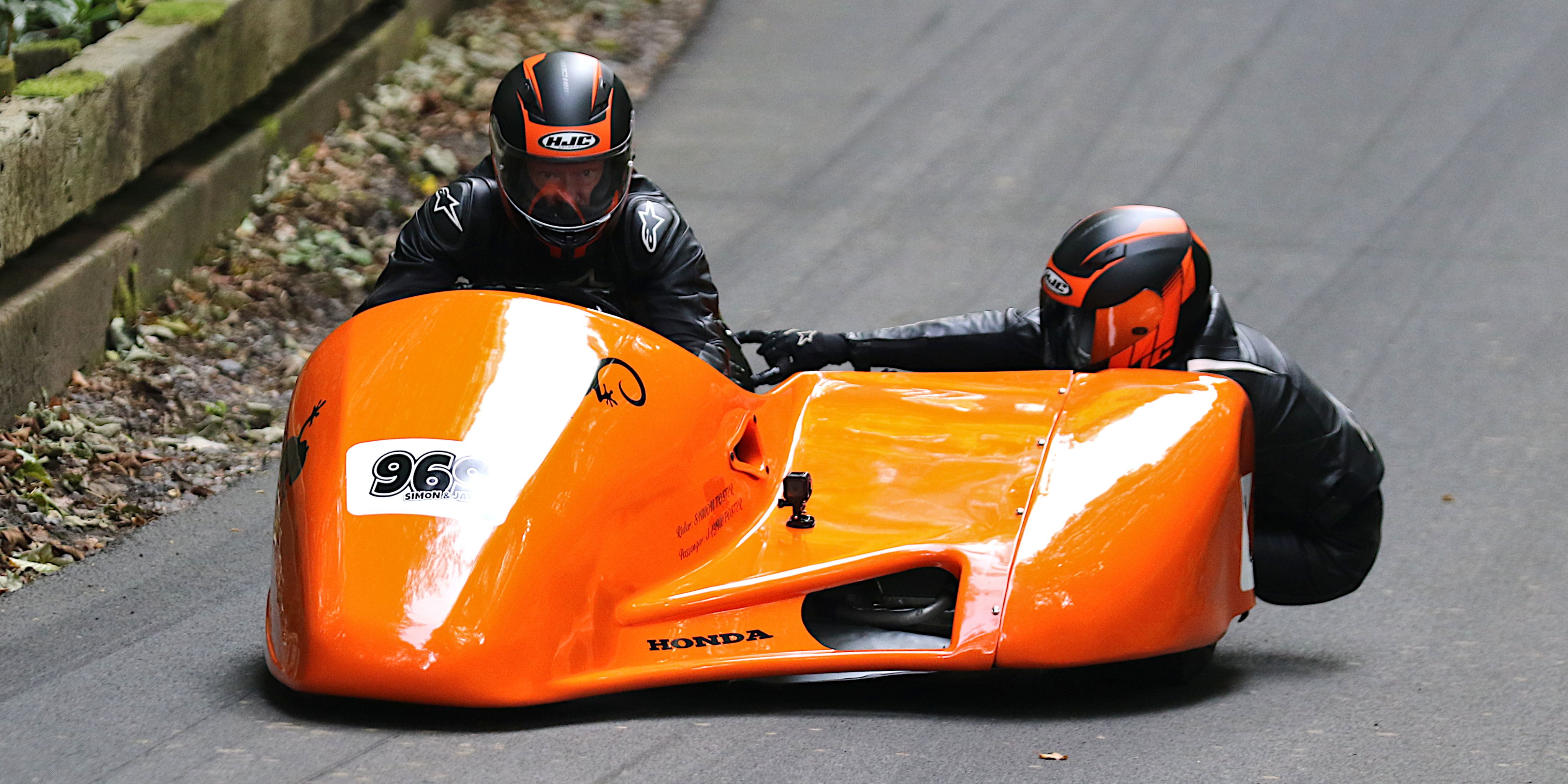
However it is not just cars that compete at Wiscombe Park - it has been a popular venue for two- and three-wheel machinery too since the 1960’s. Three meetings each year have cars, bikes, sidecars and trikes competing together. The bike entry of these events is organised by the National Hill Climb Association. The final event of the year is an “all bike” day – the NHCA Arnold Gimblett.
There is another very strong connection between Wiscombe Park and Denis Jenkinson. “Jenks” was widely known for his love of Porsche, particularly the 356 - he wrote several books on the marque. However, he also enjoyed bikes – he was passenger to 1949 World Sidecar Champion Eric Oliver - and was regularly competing at Wiscombe and other venues during the 1970’s/1980’s on his self-built Triumph Twin. He set a hillclimb record at Shelsley Walsh in 1990 at the age of 70 - a 39.75s - riding his TriBSA hillclimb special, a bike of his own design - a modified BSA A7/A10 frame with a 650 Triumph engine. He was involved in the formation of the NHCA at the end of the 1986 season for those competitors interested specifically in hillclimbs. Prior to that, the governing body was the National Sprint Association.
Unlike the permanent venues of Shelsley Walsh (first event 1905) and Prescott – owned by the Bugatti Owners Club (first event 1938), Wiscombe Park is a temporary venue operated by a management company. The company have an agreement with the Chichester family to hold the six race weekends each year and are also responsible for all the infrastructure.
Everyone involved in the venue are volunteers. The individual events are organised by various motor clubs. The organizing clubs include Woolbridge MC (organizers of the British Championship event), Vintage Sports-Car Club, 500 Owners Association and the MG Car Club. The calendar is well established and has not changed for many years.
The current Outright Hill Record holder is the 2024/5 British Hillclimb Champion, Matt Ryder, who recorded a time of 31.77s in July 2024 driving a Gould GR59 fitted with a 4 litre Judd engine.
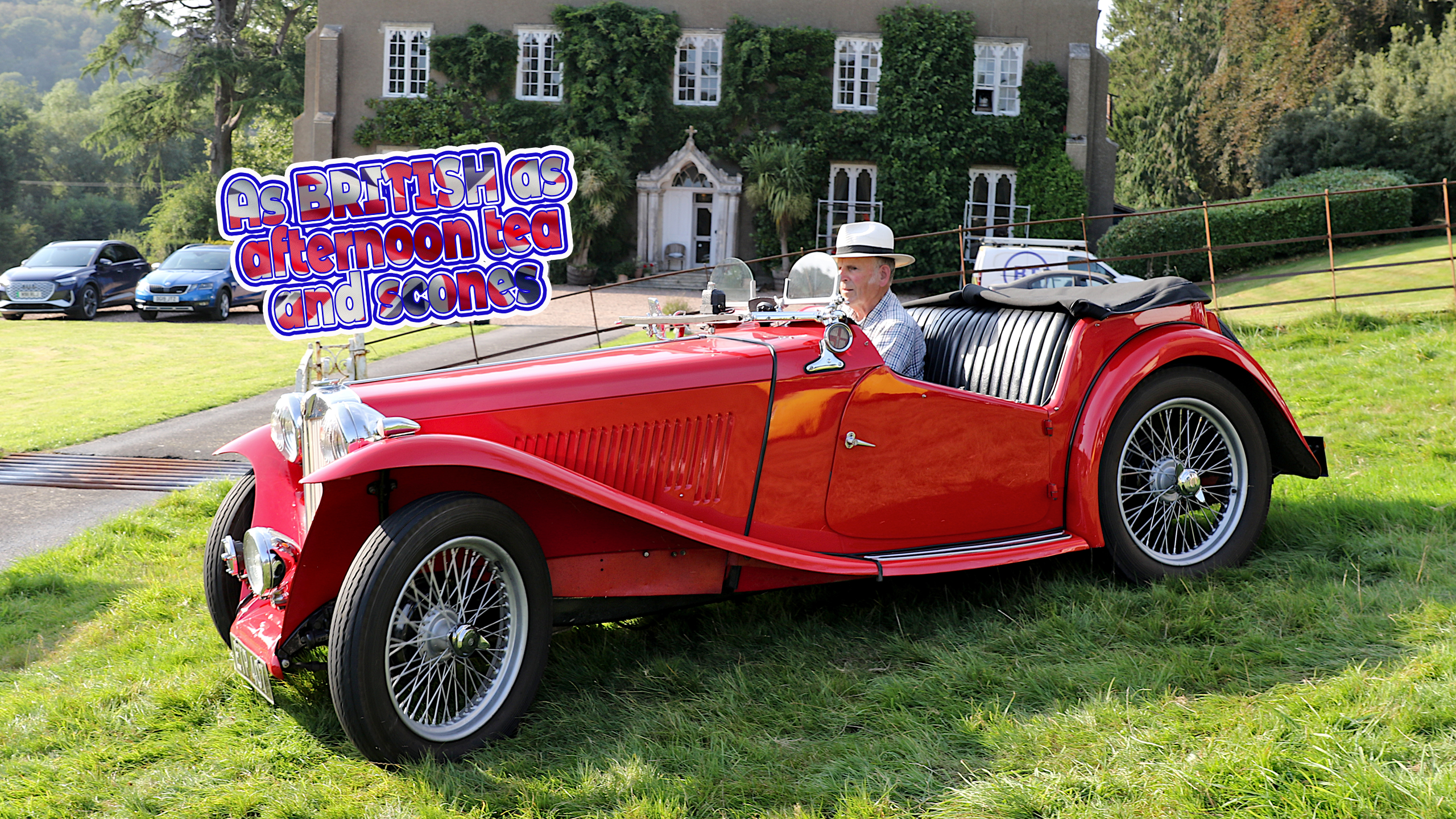
The gent in the cover photo is Bruce Weston who organized the MG Car Club events at Wiscombe for many years. Bruce sadly passed away recently - his son informed us that was his last trip in the MG TC in 2023. So, the cover photo in this article is a fitting, but sad tribute to Bruce.
For all the latest news from Wiscombe Park, please visit the web site www.wiscombepark.co.uk and Facebook page.

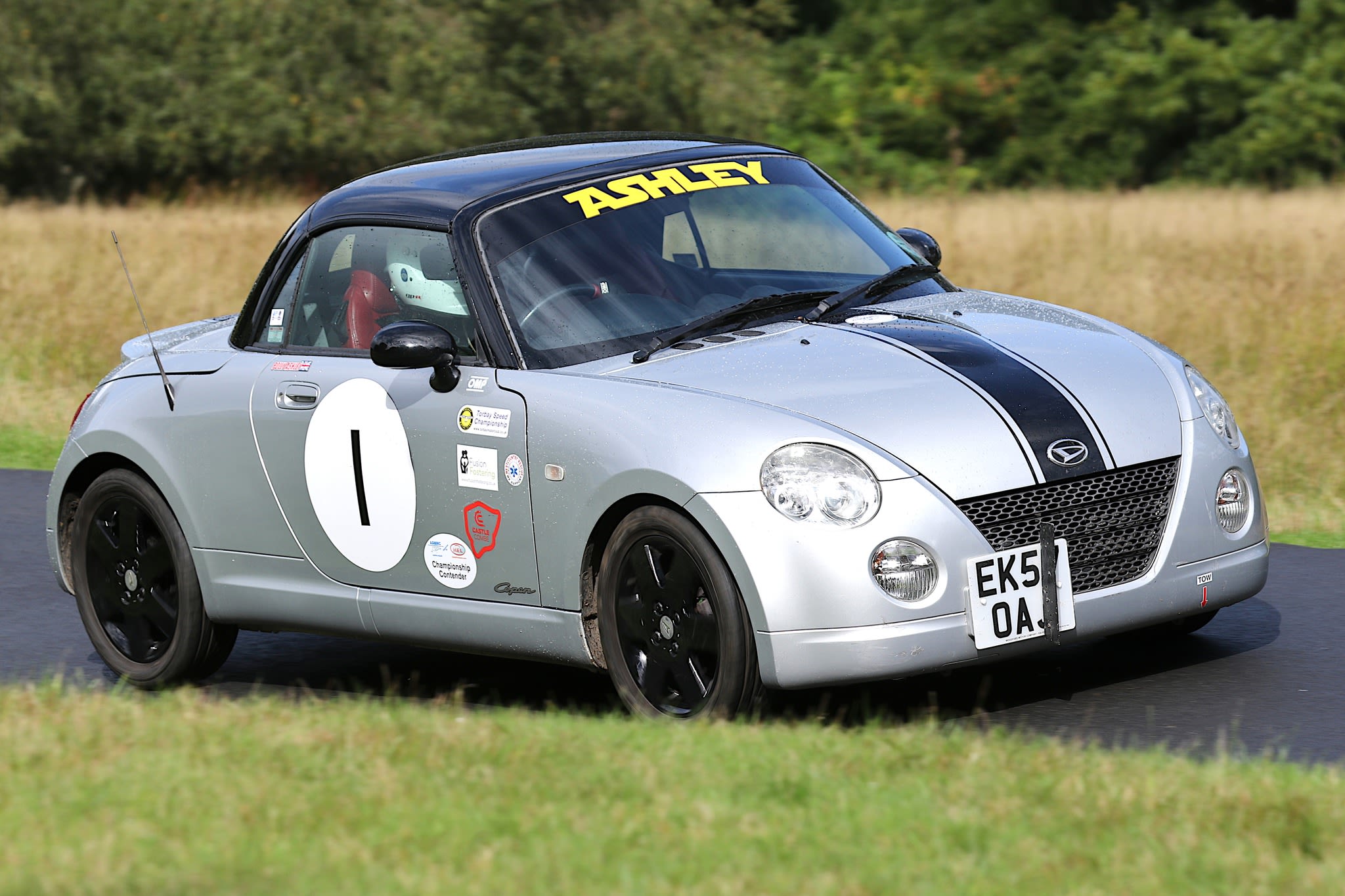

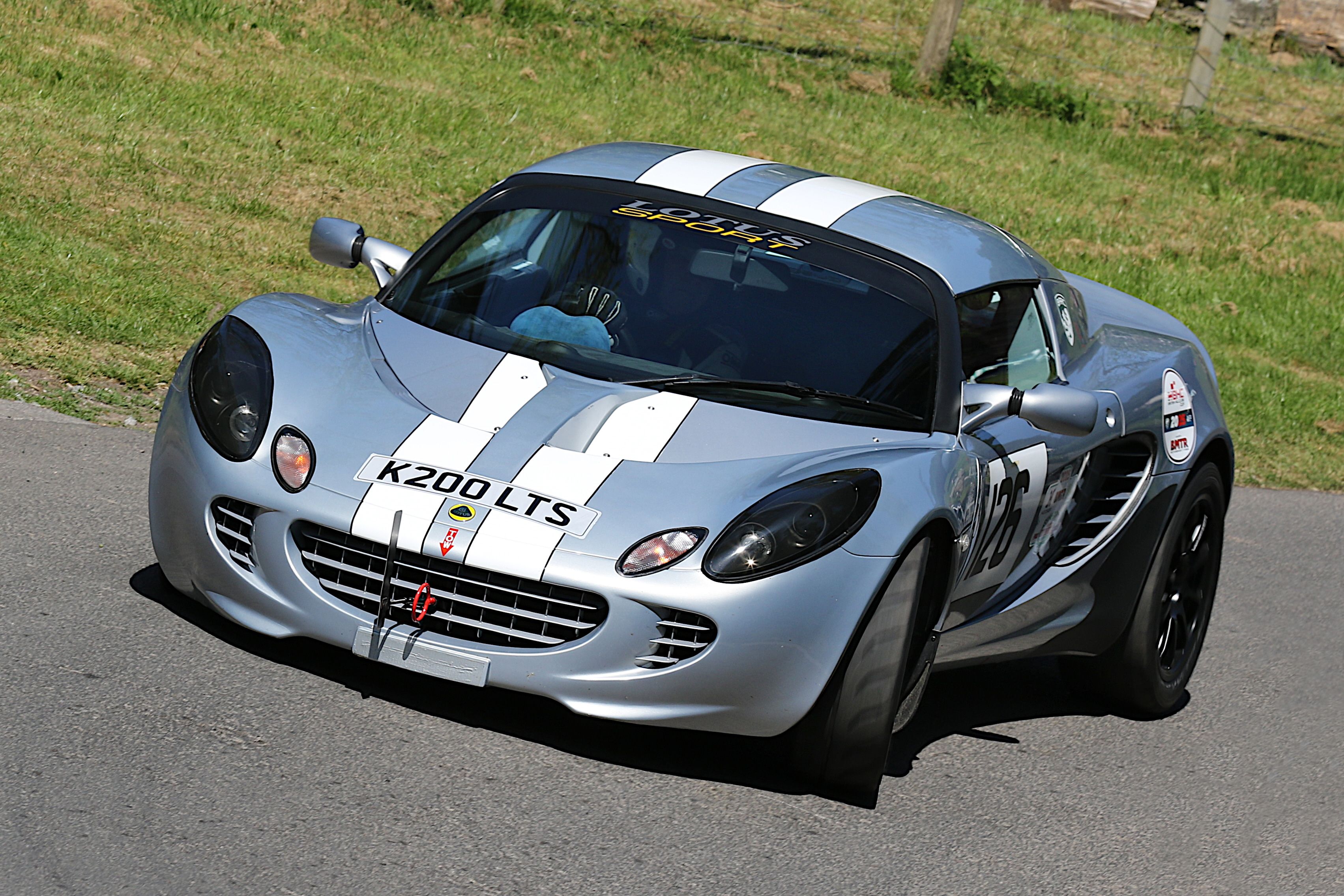

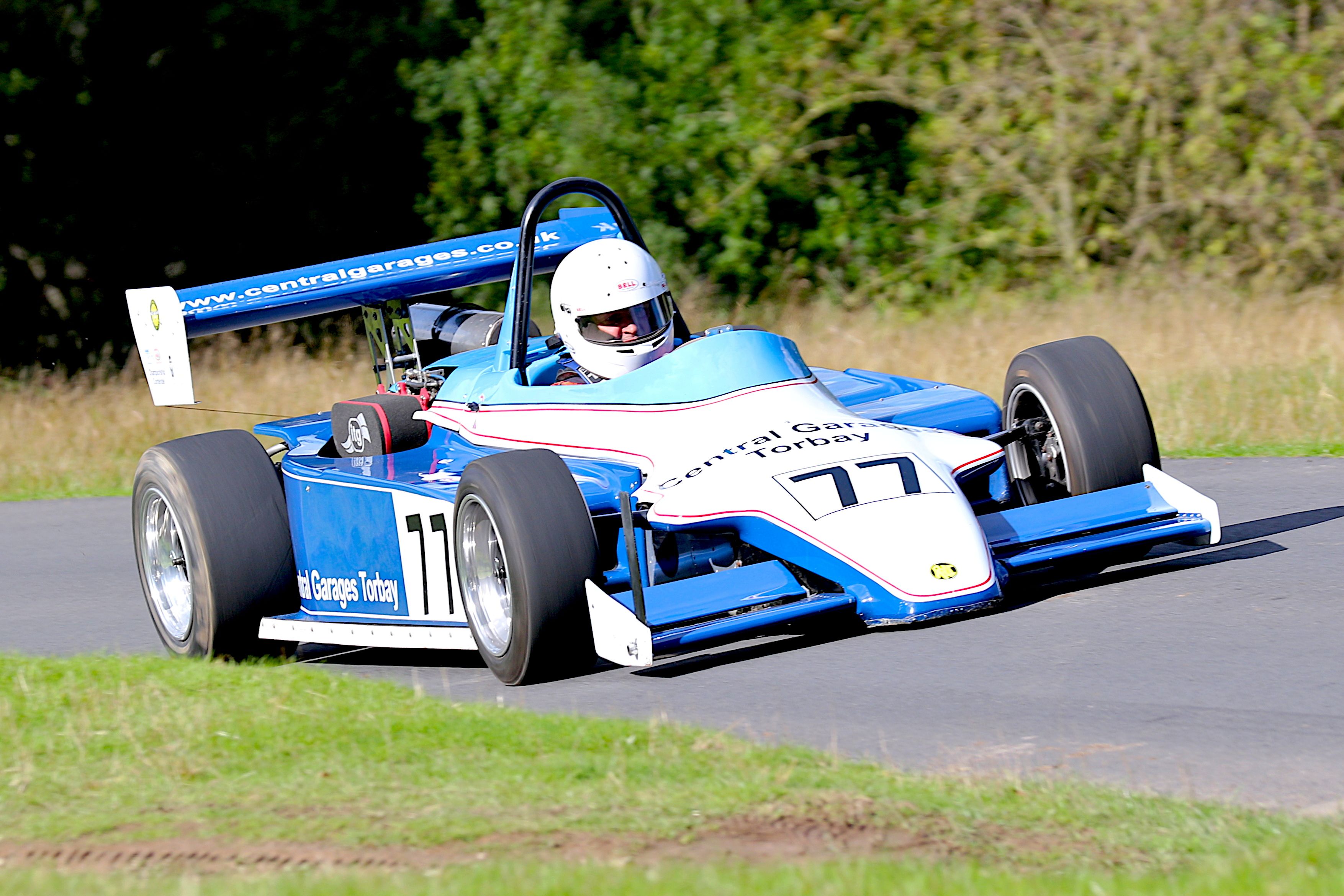
Simon Ashley - Ralt RT3
Simon Ashley - Ralt RT3

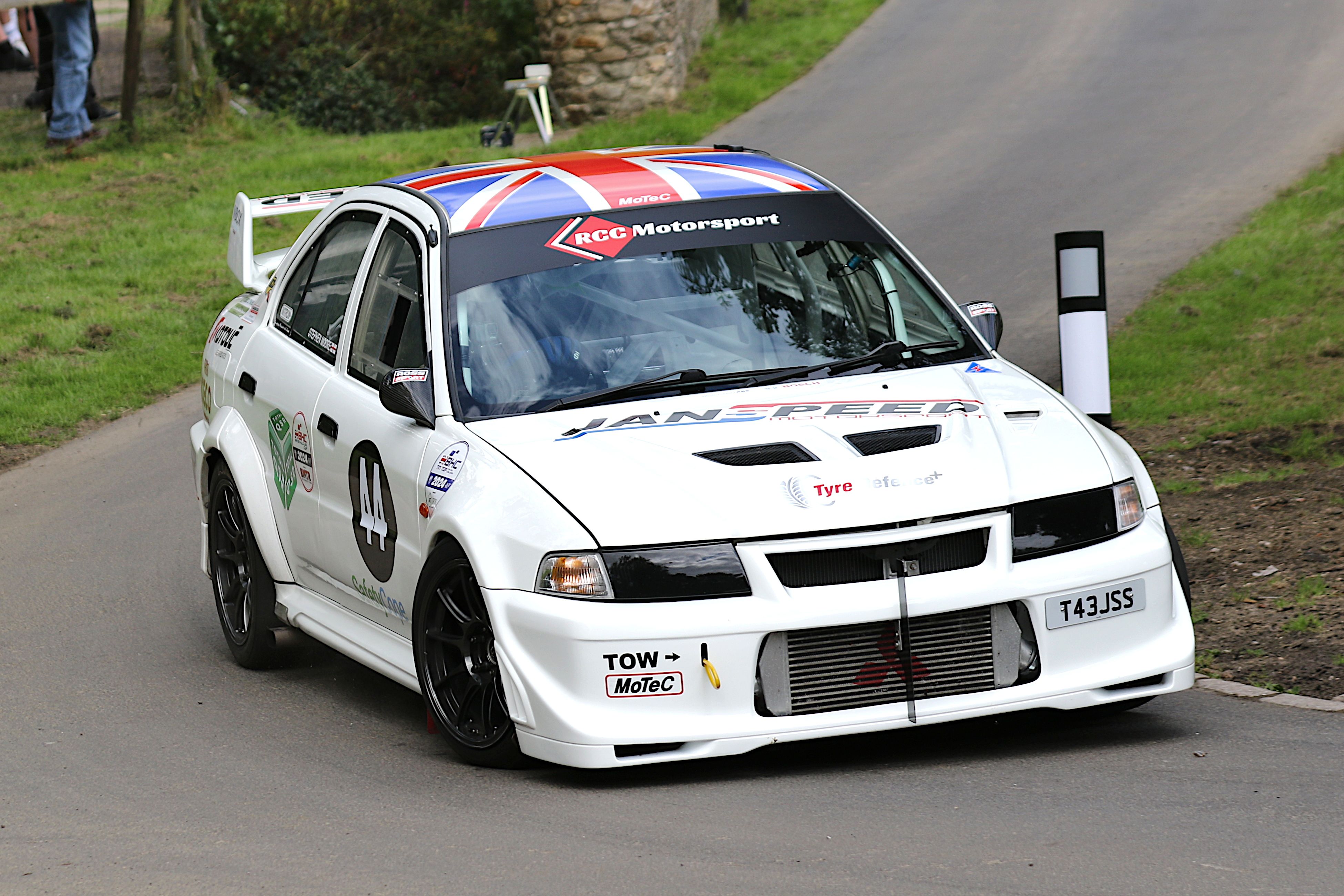







www.torontomotorsportpark.com
www.torontomotorsportpark.com





 Built with Shorthand